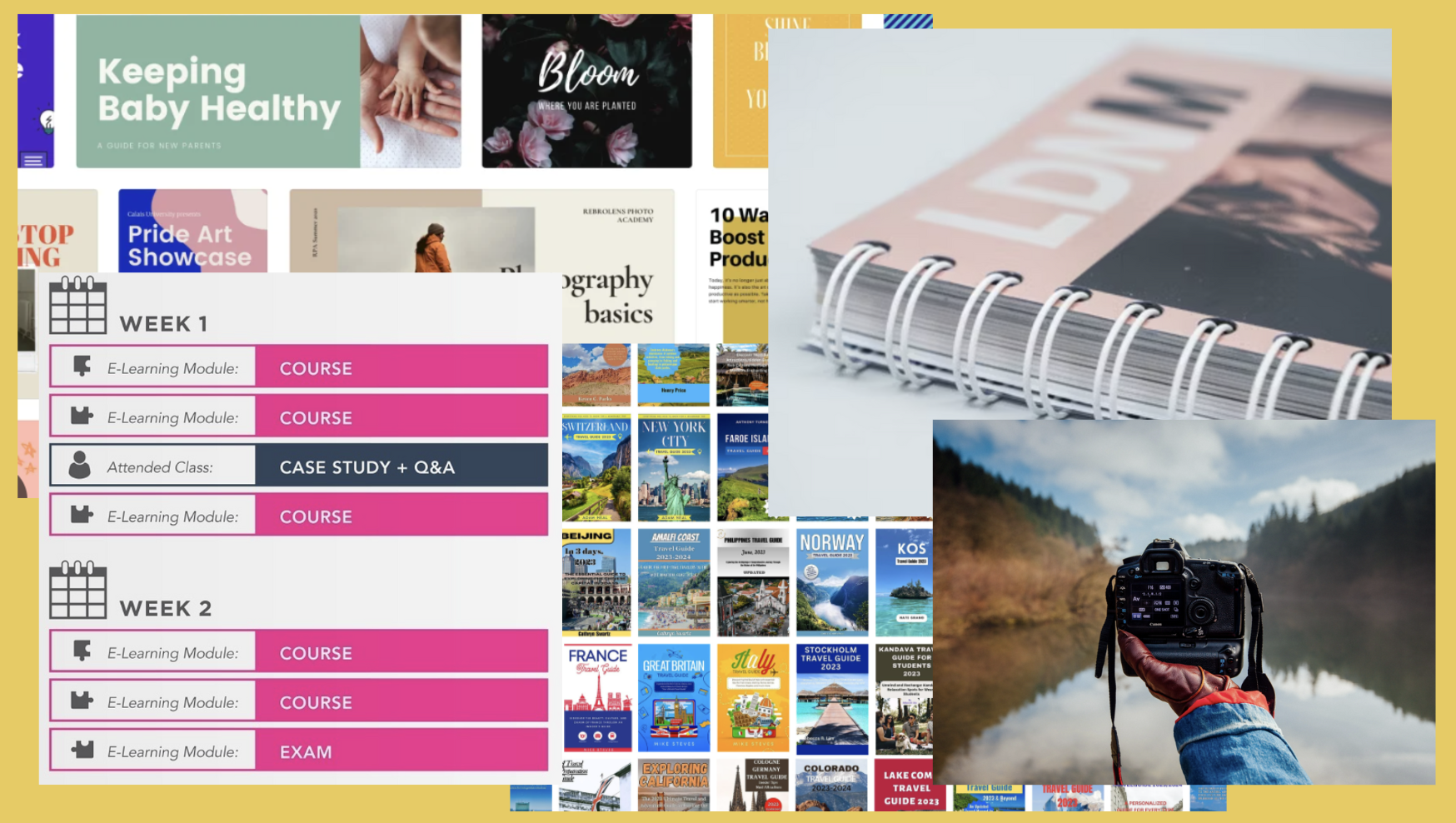
The internet is overloaded with digital products from templates, guides, courses, e-books, stock photos and more. With so much competition, it can feel overwhelming to create something that stands out and that can start generating sales quickly. The good news? Success doesn’t just come from creating what you think the “best” product is. It comes from making smart choices about what to sell, who it’s for, and how you market it.
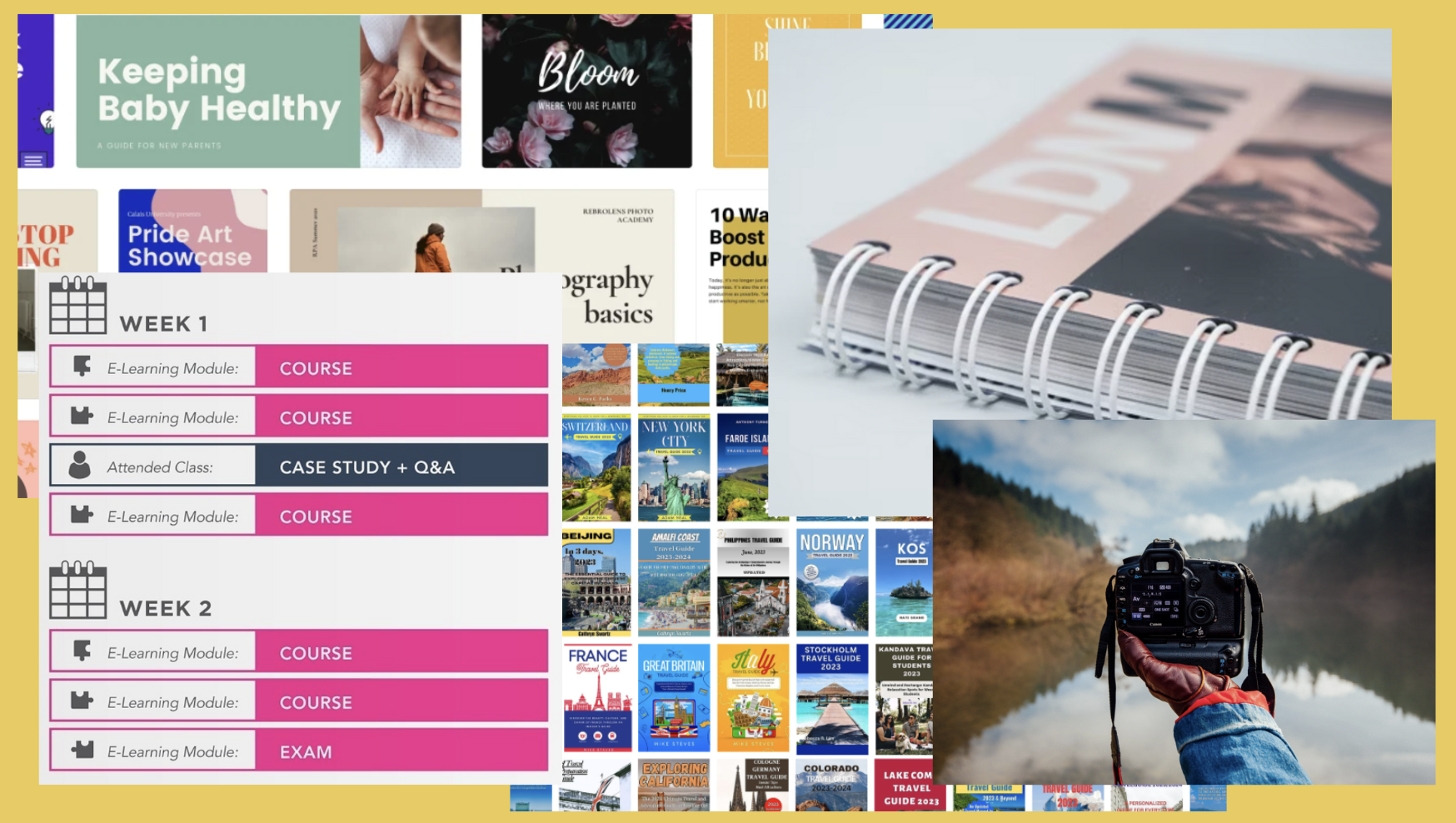
Here’s a roadmap that helped me, that I think could help you decide what digital product to launch and how to market it so you can gain traction without getting lost in the sea of similar offerings.
1. Start With a Problem, Not Just an Idea
Many people, including myself start by asking, “What do I want to sell?” This can become very overwhelming very fast.
The better question is: “What problem can I solve for someone else?” Keep in mind try to use skills you already have to solve this problem.
Digital products sell best when they remove pain points, save time, or create results.
For example:
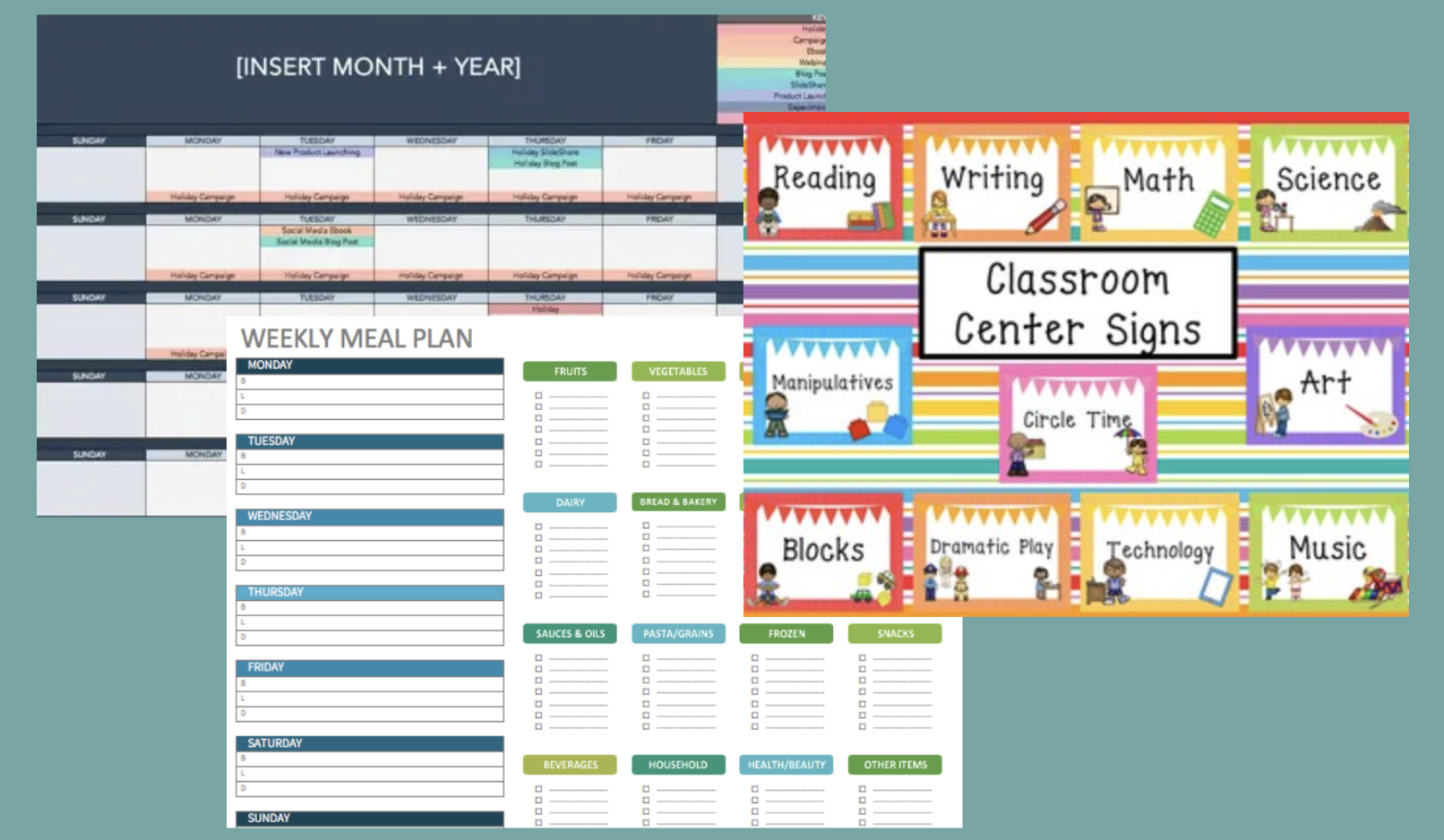
- A busy entrepreneur struggling with content might pay for ready-made social media templates.
- A new parent might buy a quick meal plan with grocery lists.
- A busy teacher might want easy printable signs to put up around their classroom.
Instead of guessing, listen to your audience. Browse Facebook groups, Reddit threads, or TikTok comments in your niche. Pay attention to repeated frustrations and gaps. Those frustrations are business opportunities.
2. Focus on a Small, Specific Niche
A common mistake and something I am currently falling into is going too broad trying to make a product for “everyone.” Instead, narrow your focus. The smaller and more specific your target audience, the faster you’ll gain traction.
Think:
- “Social media Posting Schedule templates for yoga instructors” instead of just “social media posting calendar templates.”
- “Meal prep guide for vegan college students” instead of just “meal prep guide.”
A smaller audience might sound limiting, but it helps you stand out and connect deeply with buyers who feel the product was made just for them.
3. Choose a Format You Can Deliver Quickly
Momentum matters. Instead of spending months creating a massive online course, consider digital products you can create in a shorter time frame and a lot of all at once.
Examples include:
- Templates (Canva, Notion, Excel, etc.)
- Short e-books or guides
- Checklists, planners, or toolkits
- Mini video tutorials
The faster you can launch, the quicker you can test what works. You can always expand later. Also the more you offer the more likely you are to hit your audience.
4. Differentiate With Value, Not Just Price
It’s true many digital products look similar. But your advantage comes from how you deliver different value.
You can stand out by:
- Adding a unique spin or personal voice.
- Customization
- Bundling products into a helpful package.
- Offering extras like bonus tips, updates, or community support.
- Promoting on social media
People aren’t only buying the product; they’re buying your perspective, your expertise, and the way you make their life easier.
5. Market to Stand out
Even the best product won’t sell if nobody sees it. To stand out without spending months shouting into the void, I recommend using these strategies:
- Leverage platforms you already use. If you’re on TikTok, create short tips or “before-and-after” product demonstrations. On Instagram, share carousel posts that highlight free value and point to your paid product.
- Build micro-authority. You don’t need to be a huge influencer. Consistency, helpfulness, and showing real results builds trust.
- Offer a free teaser. A free checklist, sample template, or mini guide gets people on your email list, where you can build relationships and promote your product more directly.
6. Don’t Try to Do Everything at Once
It’s tempting to build a website, launch a full social campaign, run ads, and create multiple products right away. But spreading yourself too thin is how you get lost in the noise.
Instead:
- Launch with one product, one platform, one clear audience.
- Build momentum, gather feedback, and refine.
- Add new products or expand to hit other niche audiences
Final Thoughts
Deciding what digital product to sell isn’t about reinventing the wheel it’s about identifying a specific audience, solving a real problem, and showing up where they already spend time. Keep your focus narrow, launch quickly, and market consistently with authenticity.
The digital marketplace may feel crowded, but there’s room for you when you create with intention. The key is not just making something but making something that matters to someone specific, right now.
 Levy It All To Me