
Why Good Design Works on Your Brain (Long Before You Notice It)
A playful dive into the psychology hiding inside your favorite websites & apps
You know that moment when you open a website and everything just…flows? The layout makes sense, the buttons feel tappable, and you somehow know exactly where to go next. That isn’t just good design, it’s your brain teaming up with a bunch of psychological principles designers use behind the scenes.
This combo of psychology + visuals is basically the cheat code of UX. And once you know it’s happening, you’ll catch it everywhere.
Your Brain Sorts the World Faster Than You Can Blink
One thing that comes up again and again in my research is how the human brain doesn’t just see it, it organizes it to make sense.
Gestalt theory says your brain instantly groups things that look similar, sit close together, line up, or move in the same direction. That’s why those nice clean grids and tidy product cards feel so satisfying. Your brain loves neatness.
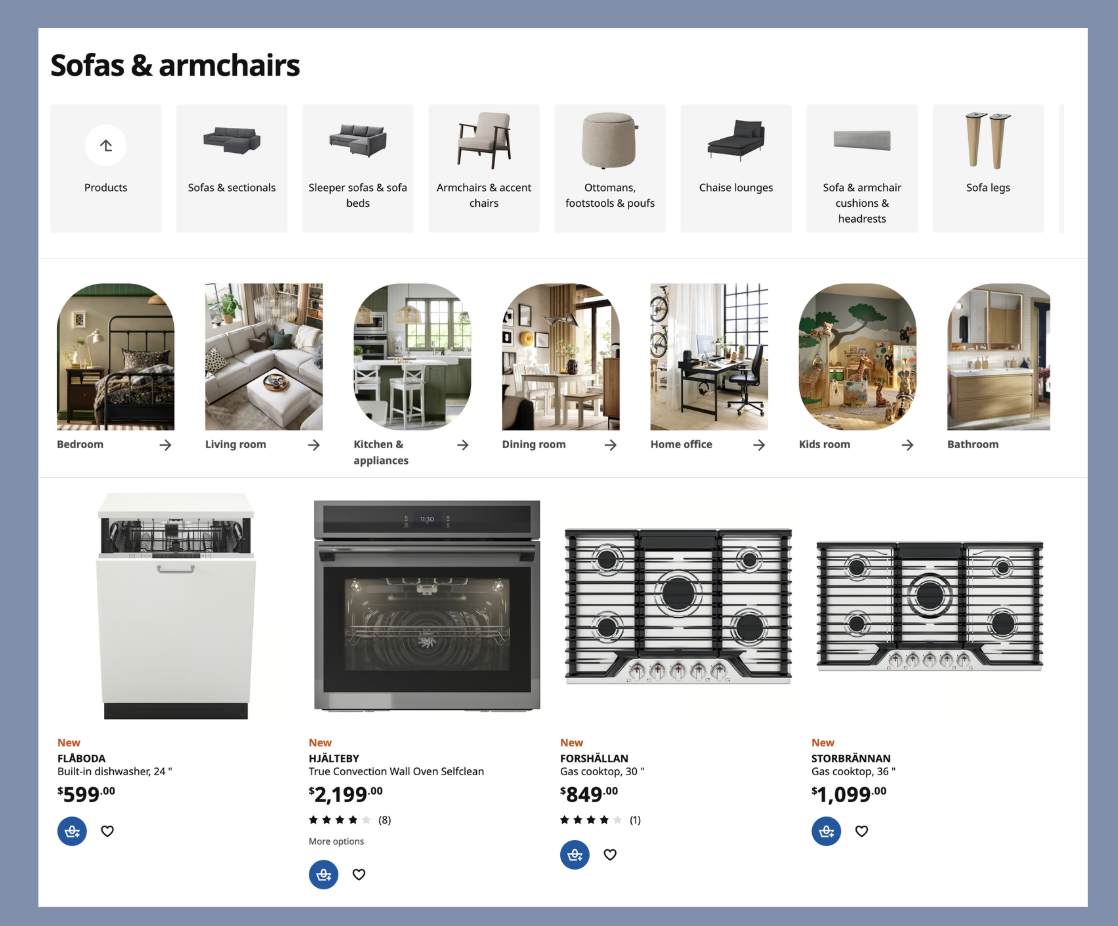
Gestalt theorists talked about this and the idea still drives modern design thinking. We group things that sit close together. We assume items that look similar belong together. We naturally follow lines and visual paths. It’s why clean grids feel comforting and why chaotic layouts feel like a personal attack.
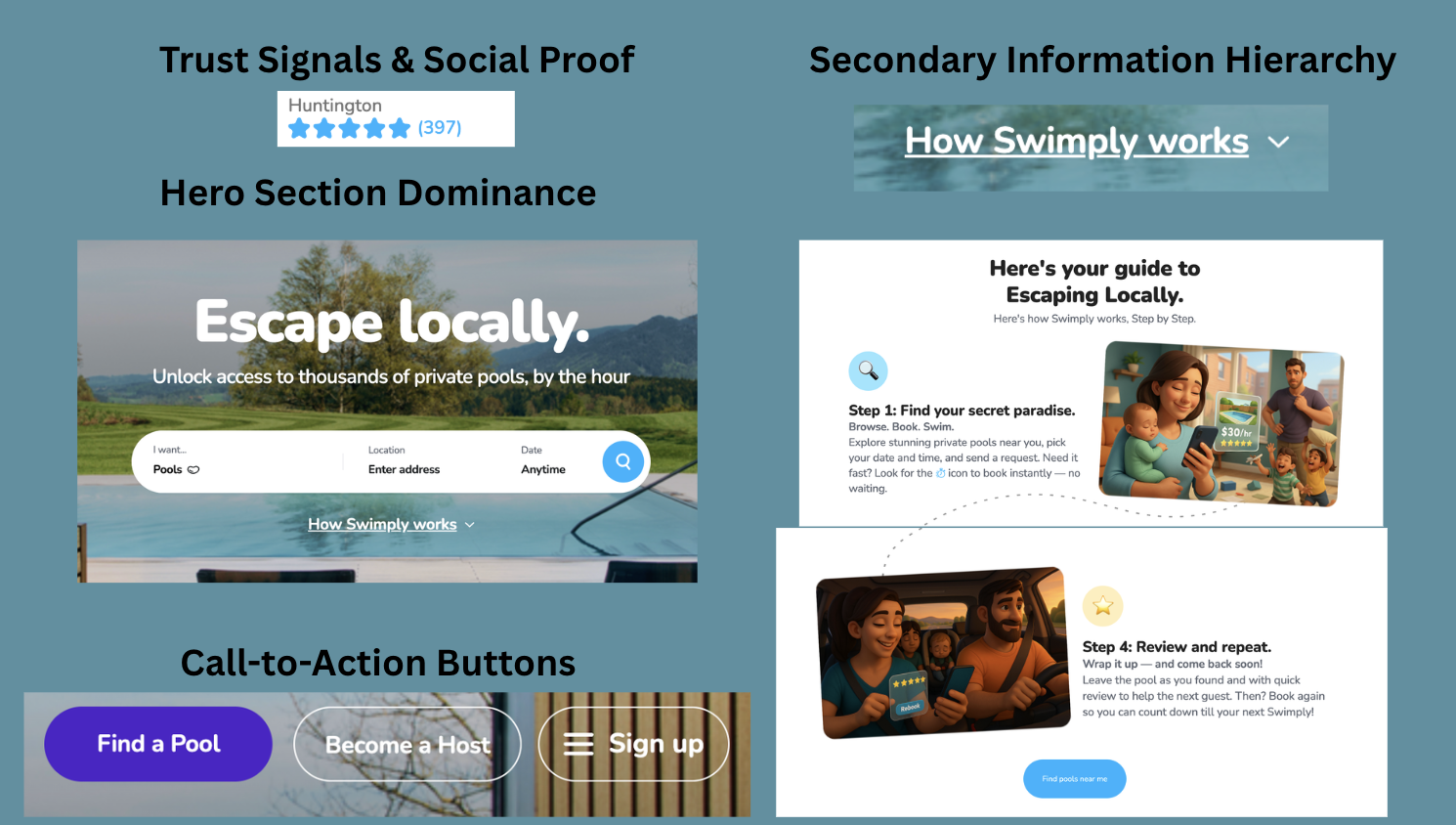
These perception readings back this up too: your brain uses depth cues, contrast, and past experience to instantly make sense of visual information. By the time you consciously “see” a page, your brain already made a dozen decisions for you with no permission needed.
Designers Use That Brain Power to Make Choices Feel Natural
Once you understand how people instinctively process visuals, it becomes pretty clear why certain design patterns work so well. Enter behavioral economics, the science of all the weird, irrational things humans do.
A lot of the behavioral economics principles like social proof, loss aversion, and how people respond to “limited time only” fit right into how design nudges us. Designers build interfaces that gently guide you toward certain choices, whether that’s a highlighted “Most Popular” plan or a checkout button that feels like the obvious next step.
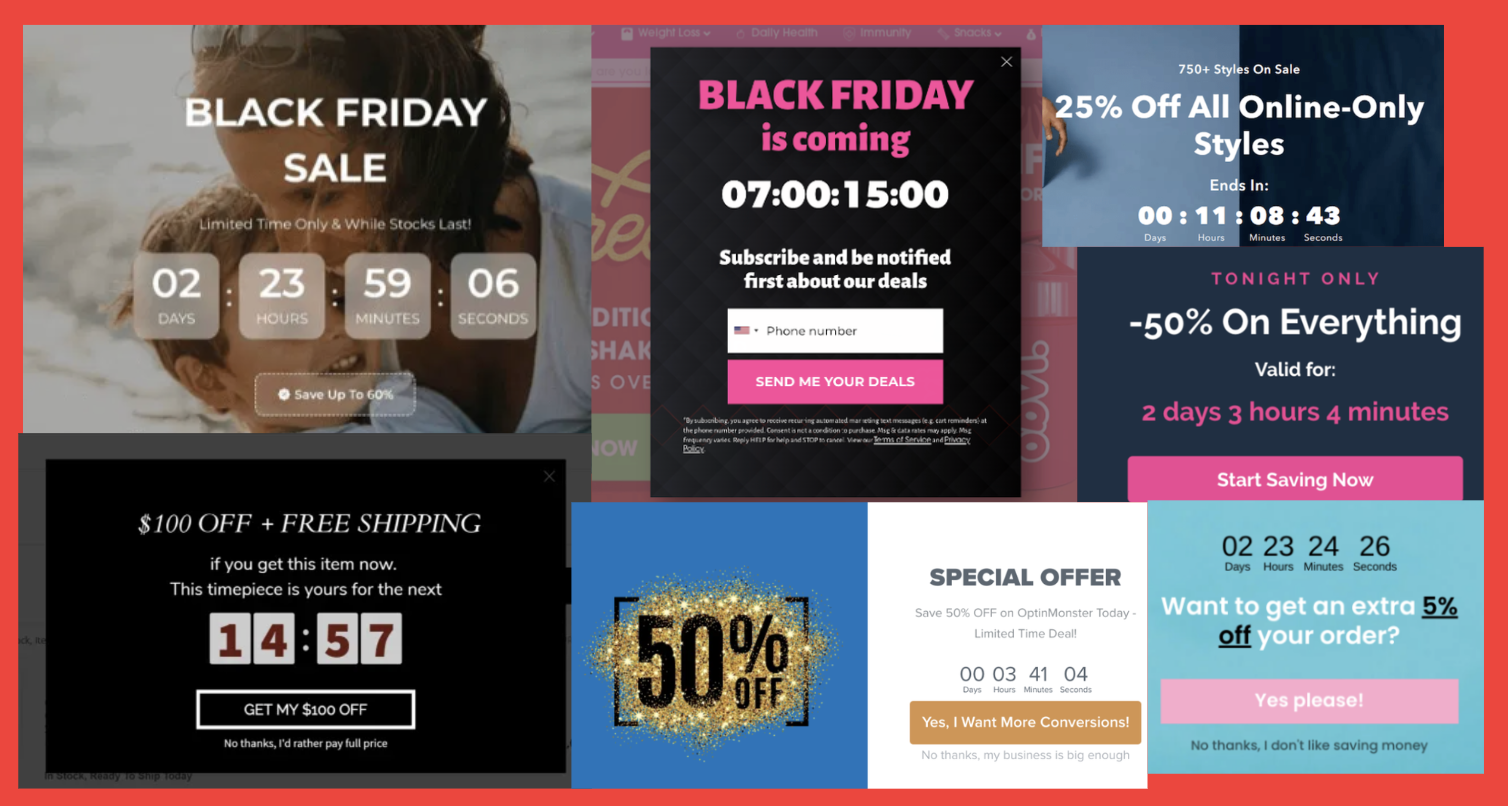
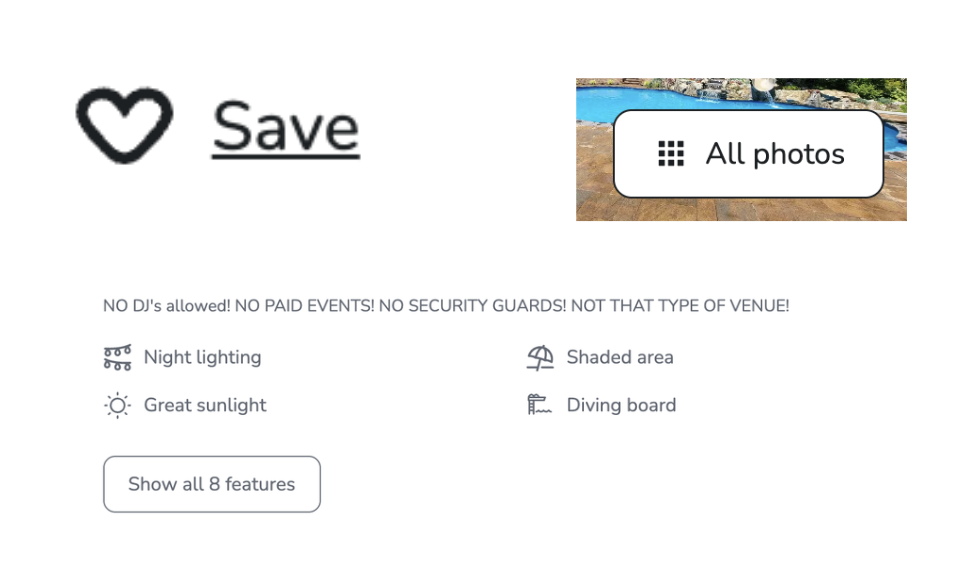
These tactics work because your brain takes shortcuts, and designers know exactly where those shortcuts live. Add in good affordances buttons that look clicky, sliders that look draggable and suddenly a website feels like a friend guiding you through.
And then there are affordances, which basically explain why some elements look clickable or swipeable without instructions. Designers lean on these because your brain loves hints. A raised button? Tap it. A slider with a grip? Drag it. It’s almost instinctive.

None of this is accidental. It’s designed to work with your psychology, not against it
The Future: More Senses, More Psychology, More Humanity
A lot of modern UX uses psychology to help people: progress bars that motivate saving, simple layouts that reduce stress, and multisensory cues like animations or haptics that reinforce meaning.
One of the coolest ideas from the research this week was that experiences don’t have to rely only on visuals. Designers are starting to think about sound, motion, vibration and tiny signals that support what’s happening on-screen.
A subtle animation that clarifies a transition
A soft haptic tap confirming a selection
A sound cue that reinforces success
These aren’t gimmicks. They actually reduce cognitive load and help the brain form mental models faster.
When you combine all these pieces Gestalt grouping, perception cues, affordances, behavioral nudges, and multisensory touches you get experiences that feel almost intuitive. The kind of design where you don’t think, you just understand.
Here’s the Big Takeaway
Good design is never just pretty.
It’s psychological.
It’s behavioral.
It’s perceptual.
And in the best cases, it’s ethical.
Your brain is constantly doing backstage work, and designers who understand that can shape experiences that feel natural, supportive, and even delightful. And now that you know what’s happening behind the curtain, you’ll start noticing these patterns everywhere from your favorite shopping apps to the website you swore you’d only scroll for “five minutes.”
Spoiler: you’re still scrolling because your brain loves good design.
 Levy It All To Me