The Power of Design in the Experience Economy
A New Kind of Spending Mindset
Right now, money feels tighter than ever. People are thinking twice before spending, comparing, researching, and asking themselves, “Is this worth it?” In an economy where every dollar counts, brands can’t rely on flashy ads or quick trends to sell. They have to connect with people on a deeper, emotional level to make buyers feel something real before they’re willing to invest in what they’ve worked hard for. And that’s where design becomes everything.
We’re Buying Feelings, Not Just Things
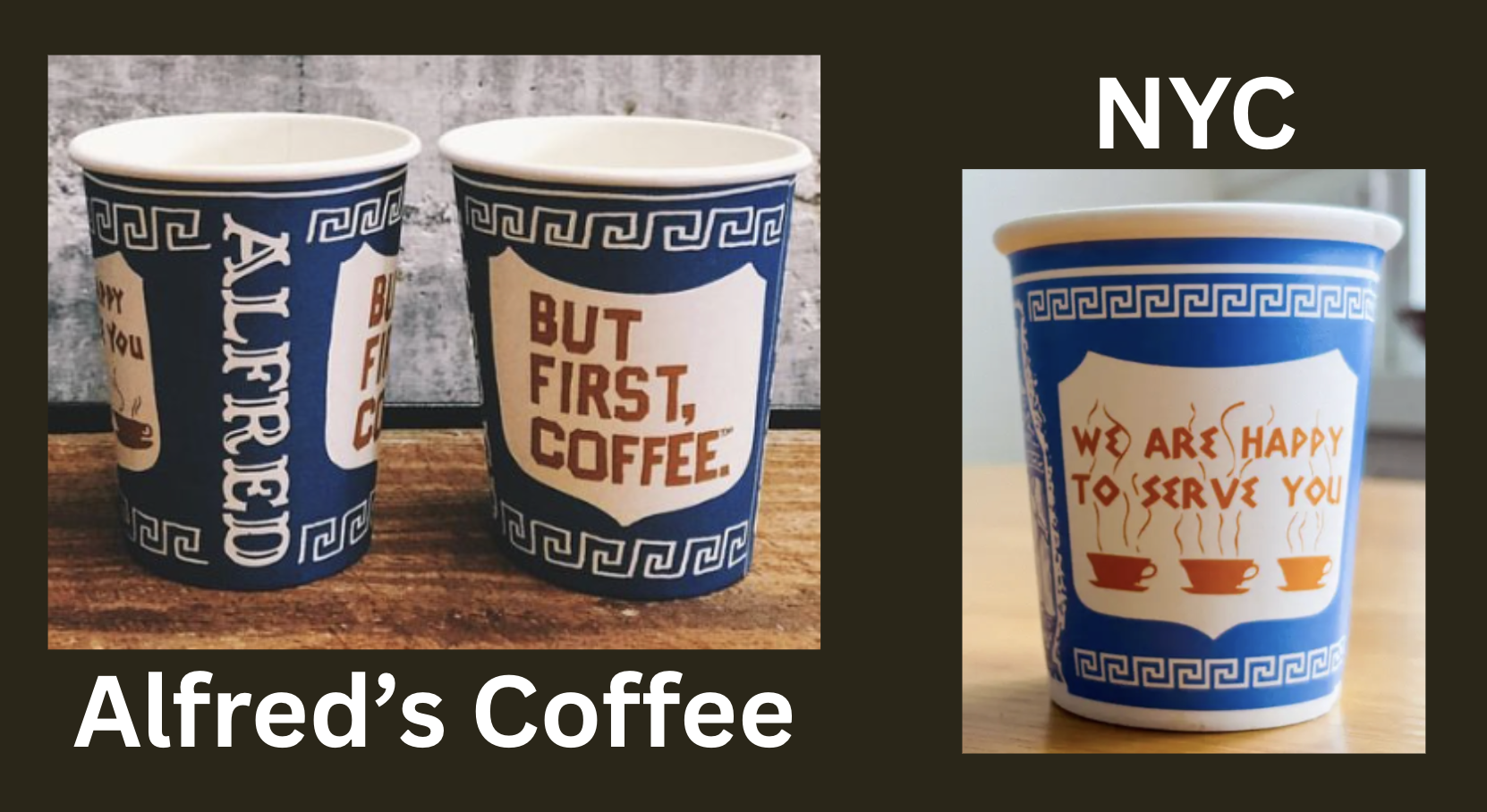
We live in what many call the experience economy, a time when we don’t just buy products, we buy feelings. A coffee shop isn’t just a place to grab caffeine; it’s the mood, the playlist, the warmth of the cup in your hands. Design is what shapes that experience, turning a simple product into a meaningful moment. A recent example of this is the coffee shop Alfred’s that use cups that look like the old fashion New York City cup that are famous in movies and pop-culture. It’s not just selling me a coffee but an opportunity to step into a world I never knew I could.
Ellen Lupton captures this beautifully in her book Design Is Storytelling. She explains that great design works like a narrative it has a beginning, a middle, and an end. It invites the audience in, guides them through discovery, and leaves them with a sense of fulfillment. Design, in this way, tells a story.
Making Memories, Not Goods
In today’s market, that story that hits deeper than others can be the difference between a purchase and a pass. When design makes us feel understood, it adds invisible value. As the authors of The Experience Economy (Pine & Gilmore, 2019) put it, “In the emerging experience economy, companies must realize they make memories, not goods.”
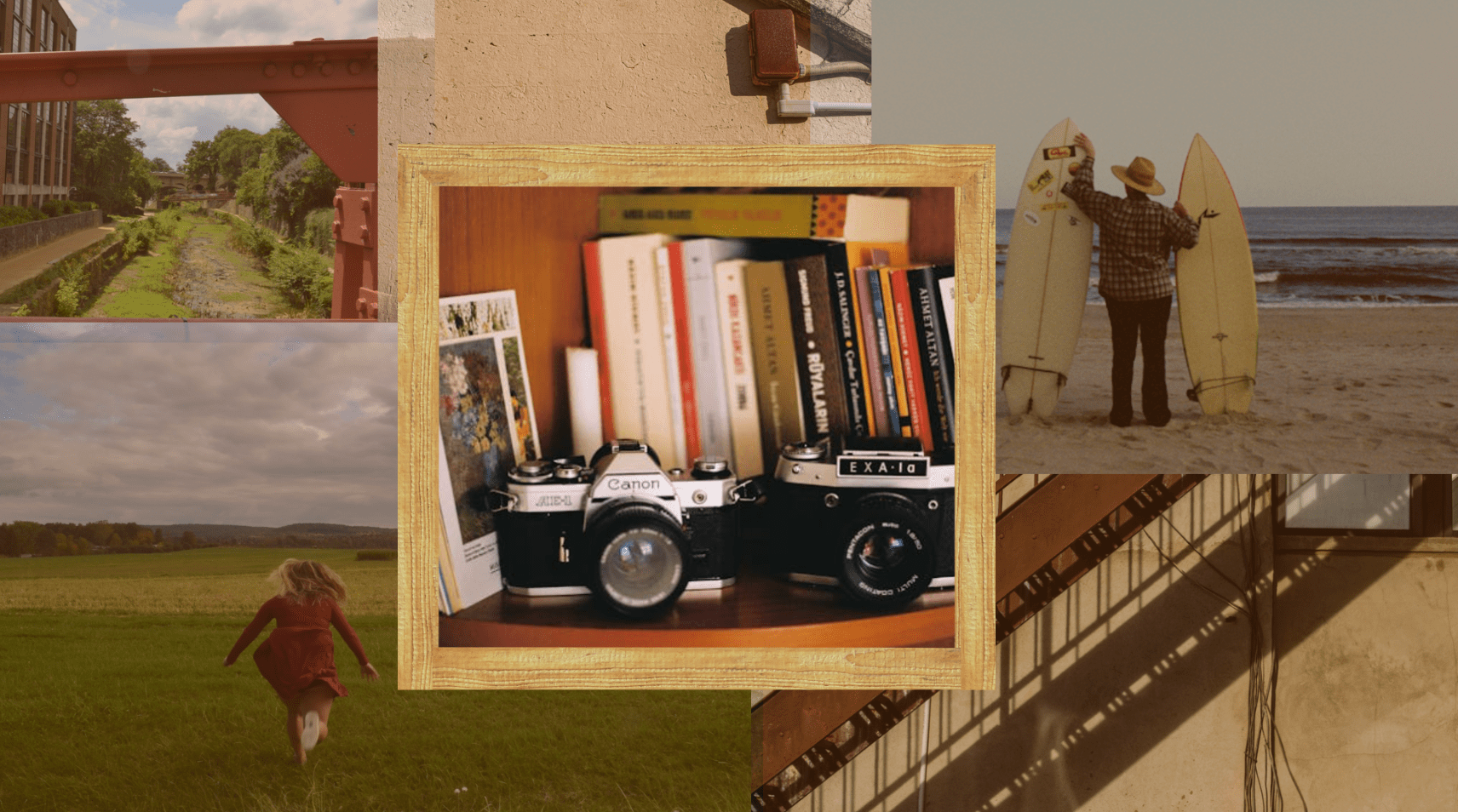
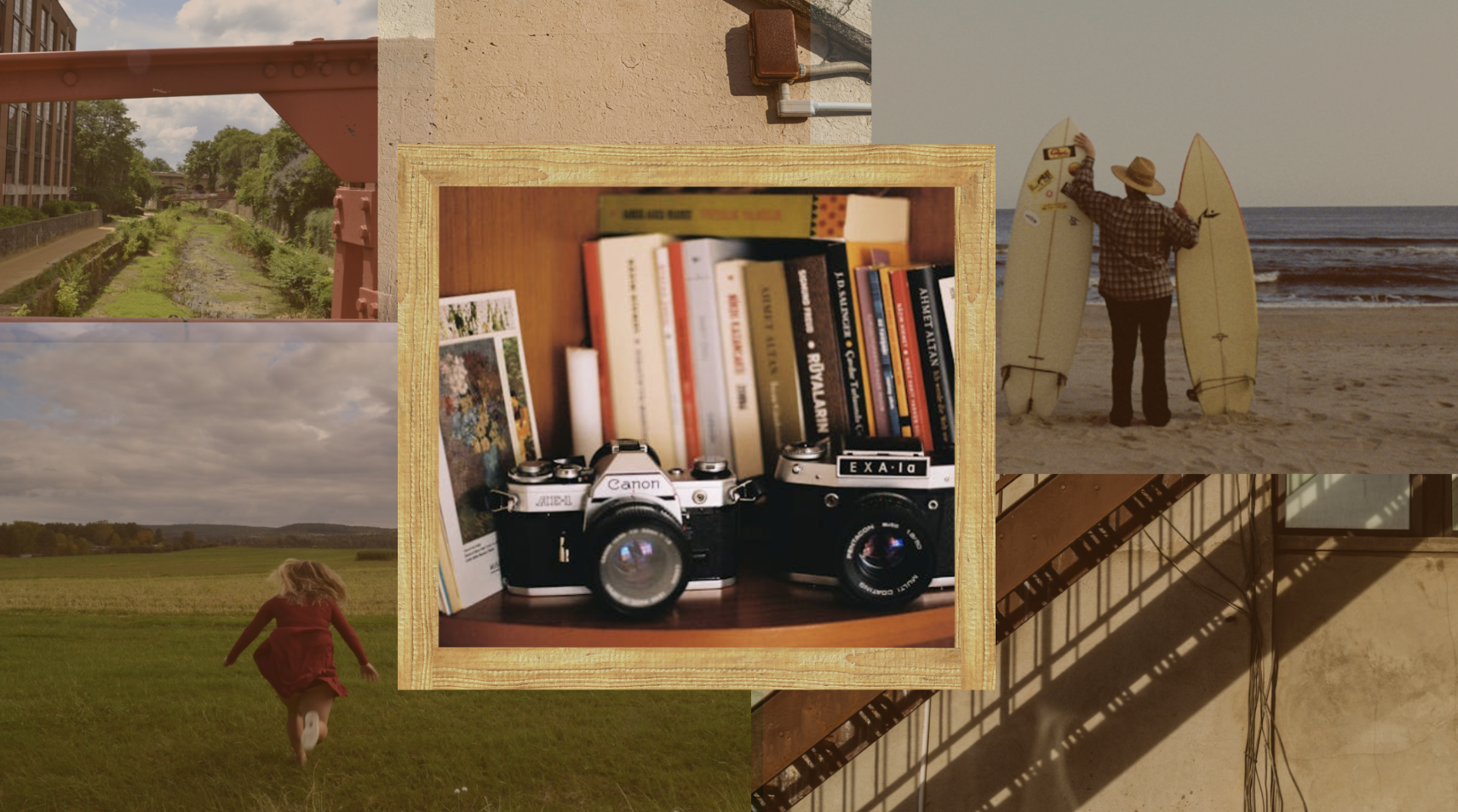
That quote captures the shift perfectly. People aren’t just paying for things anymore they’re paying for moments that mean something. Gen Z is helping drive this shift by valuing experiences and stories over status symbols like keeping my grandfather’s old 35mm camera on my shelf, not just as décor, but as something loaded and ready to capture a memory while sharing his story.
Storytelling Through Space and Design
A perfect example of design shaping emotion can be found in Apple’s world where every store feels more like an art gallery than a shop, a space intentionally crafted to spark curiosity, creativity, and the sense that you’re part of something bigger.
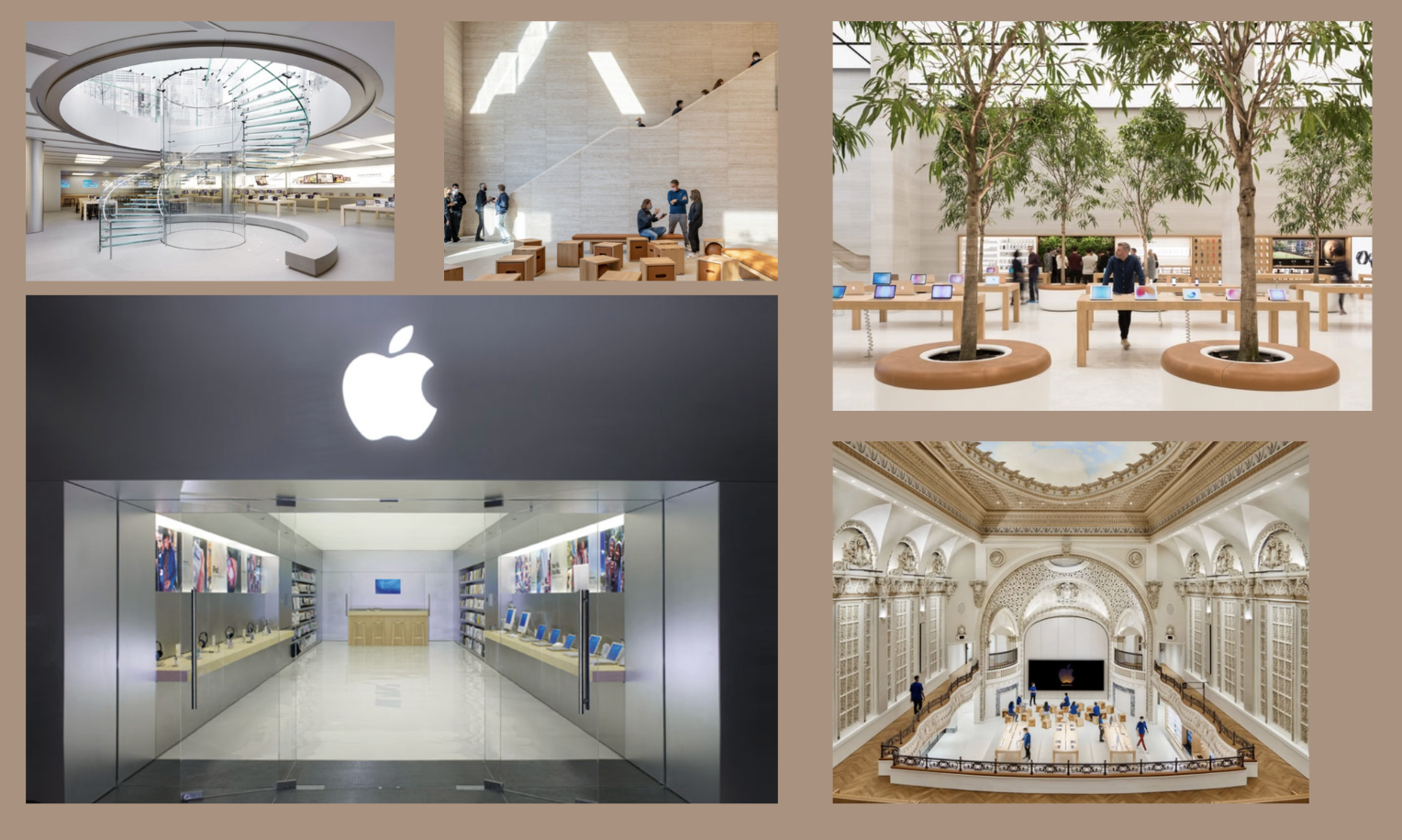
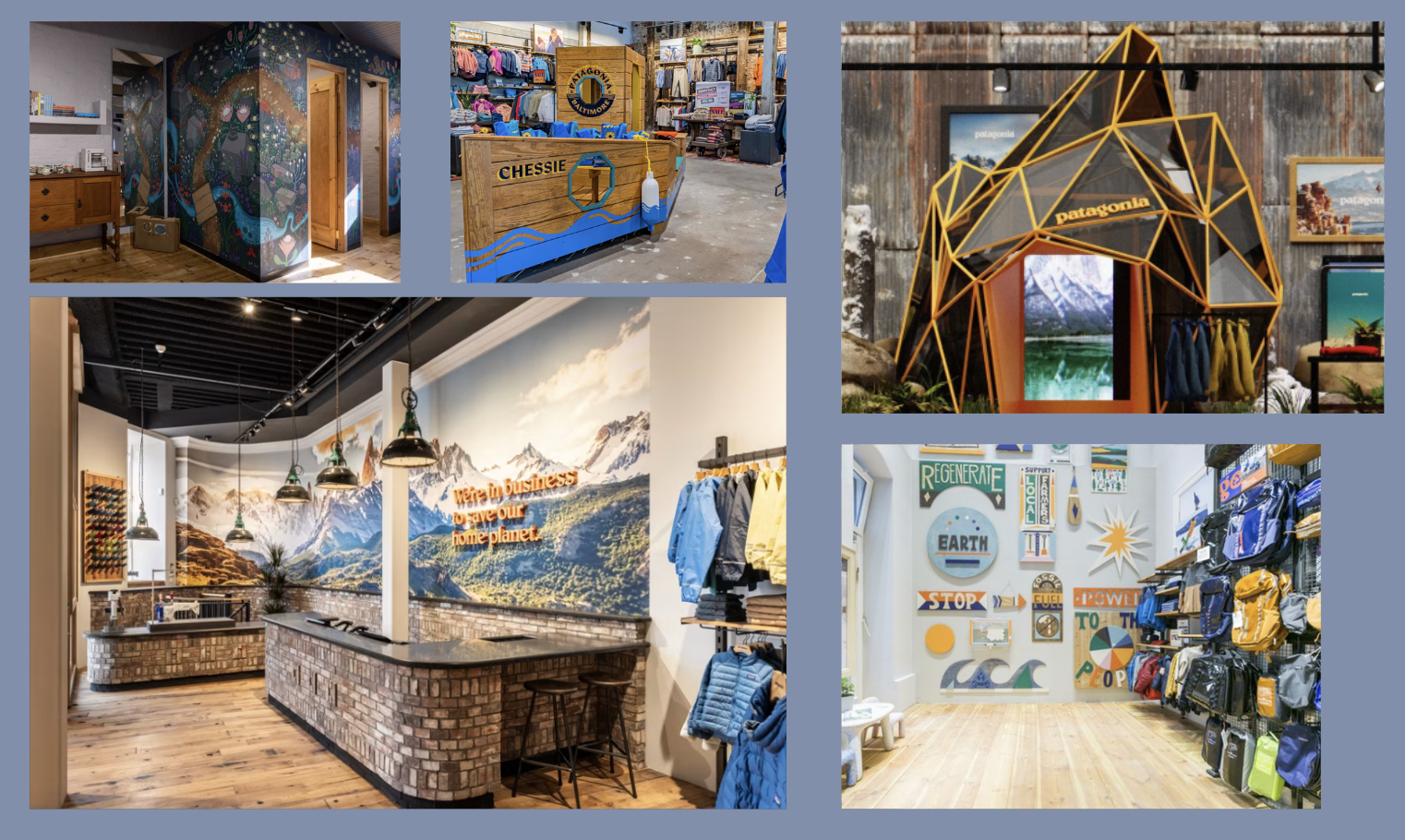
That’s not by accident. Lupton describes this kind of design as a “story architecture”, a journey that places the user as the main character in their own narrative. It’s the same feeling I get walking into a Patagonia store the earthy textures, mountain imagery, and stories behind each product make you feel connected to something bigger than fashion, like every jacket has its own adventure to tell.
The Emotional Power of Aesthetics
Design also connects emotionally through visceral cues the look and feel of a product. Rounded edges, soft textures, and warm colors trigger comfort and trust, while sleek metal and sharp lines signal sophistication and power. As this article notes, “Products can trigger emotions and influence our buying decisions, even unconsciously.”
But emotional design isn’t just about how something looks it’s about how it behaves. The way a package opens smoothly, the way a button feels just right, or how a digital interface gently guides you from step to step, all of these details make the user feel cared for. As Lupton explains, these experiences mirror a three-act structure: setup, tension, and resolution. Each moment of interaction contributes to the story of how the product makes you feel.
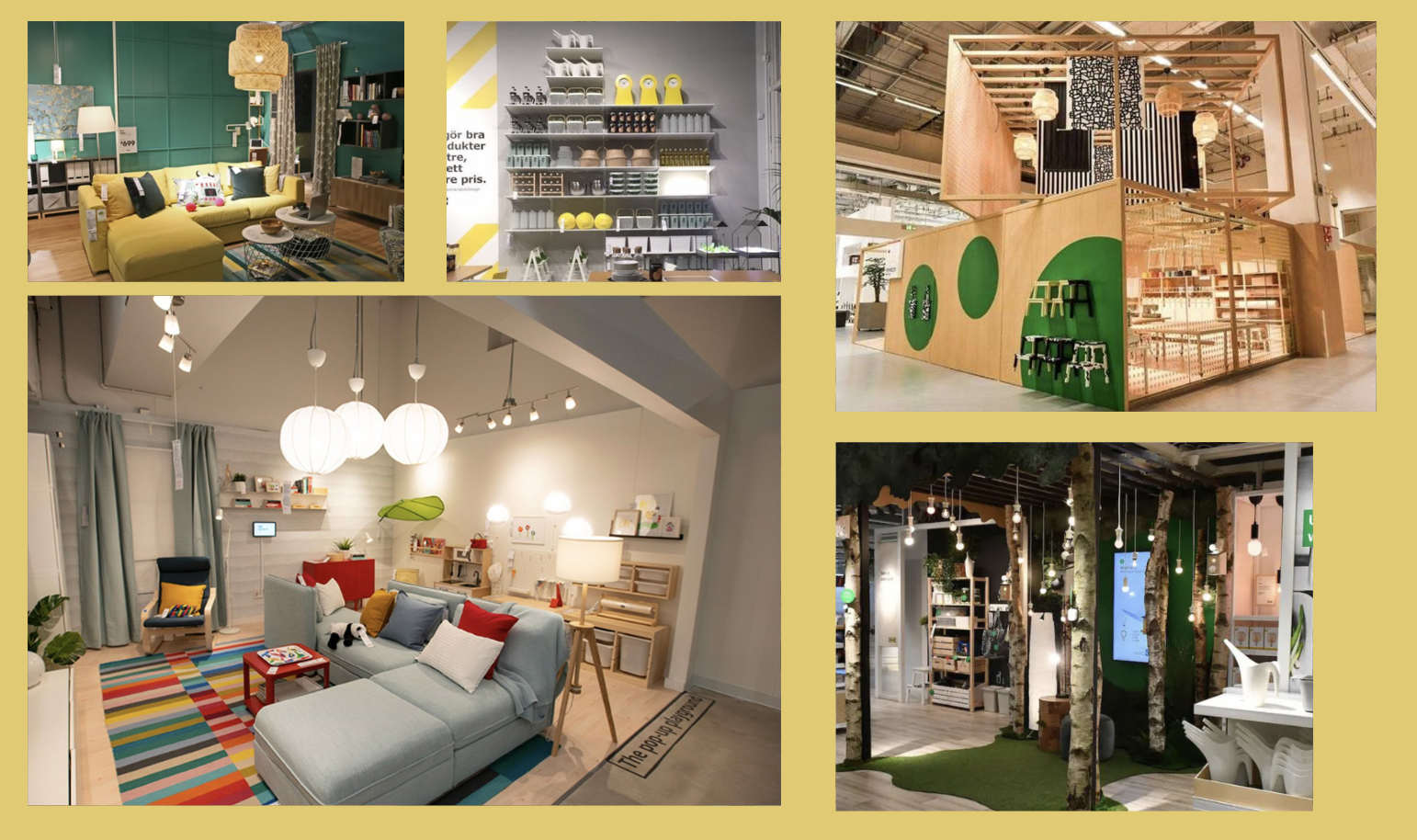
Walking into an IKEA store feels like stepping into a miniature world of possibilities. Each showroom is carefully staged to tell a story a cozy living room here, a functional kitchen there letting you imagine how their furniture could fit into your own life. It’s not just shopping; it’s daydreaming, planning, and exploring all in one experience.
‘When Design Reflects Who We Are
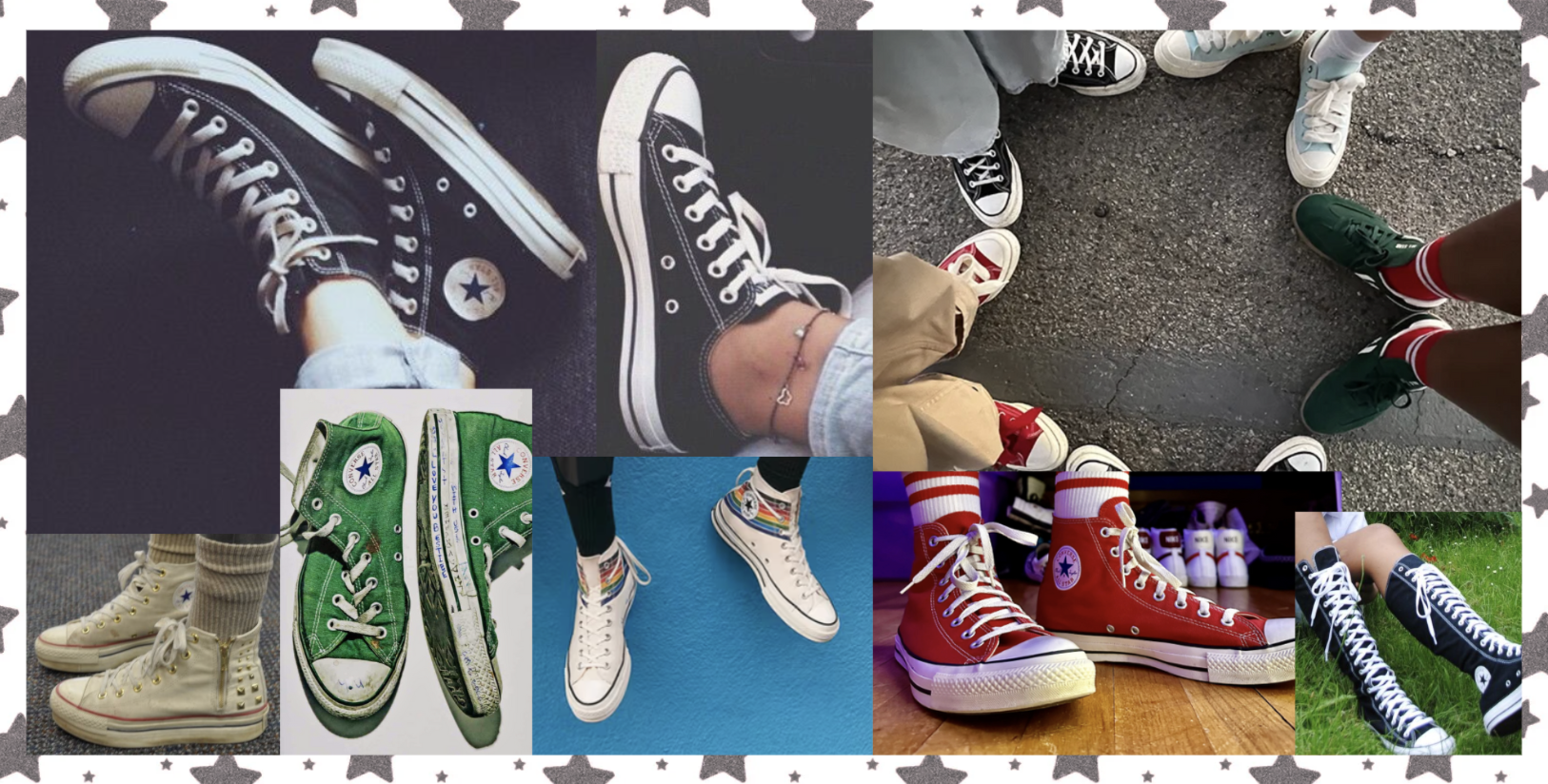
On a deeper level, reflective design connects to who we are. A simple tote bag can become a symbol of sustainability, a ceramic mug can represent local craft, a pair of sneakers can express identity. This emotional resonance gives objects meaning. When a brand succeeds at that, when its design aligns with a user’s personal values it earns loyalty that advertising alone can’t buy. For me, I only wear converse, have my whole life, and it represents this tomboy, athletic part of me that does make me a loyal customer.
Emotional connection with customers goes beyond the transaction it creates brand advocates who feel part of the story. That’s exactly what Lupton’s storytelling approach empowers: brands creating stories people want to belong to.
Why Emotional Design Is Worth the Investment
In the end, design in the experience economy is about more than making things look good. It’s about crafting feelings, memories, and meaning. When design makes people feel seen, inspired, and connected, it doesn’t just sell a product it sells an experience worth spending on.
In a world where every purchase is a big choice, that story might just be what makes someone say yes.
 Levy It All To Me