Enter the World of “What If”
In Design Is Storytelling, Ellen Lupton explains that every design just like every story starts with a setup. You introduce the world, the mood, and the characters before anything actually happens. That world begins with design fiction the idea of designing for futures that don’t exist yet, but totally could.
I actually caught myself doing this exact kind of thinking. I was running through different scenarios in my head imagining what kinds of futures could exist, and what new problems or solutions might come with each one.
***When I was looking at colleges, one class stook out to me. It was a class that debated what would have happened if historical events happened differently. What if JFK was never killed? What is Japan never bombed pearl harbor? This is just one example of the what if? idea that could come up.
It’s like a mini version of scenario planning, but more instinctive and creative. Once I started visualizing those futures, I realized how much it helps set the stage for new ideas. You start to see connections you wouldn’t notice otherwise like how one small change in technology or culture could completely shift the way people live or design.
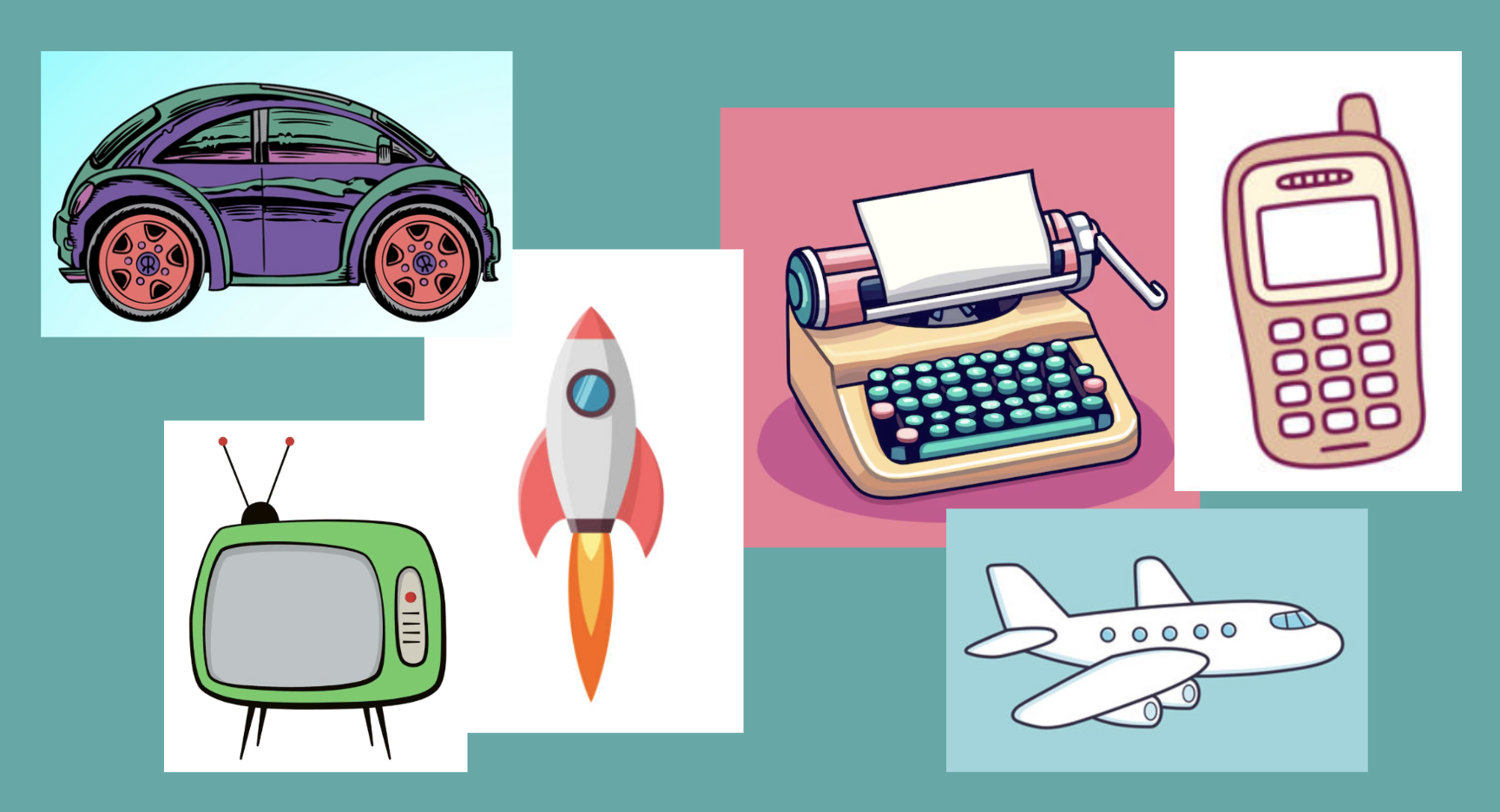
Design fiction sits at the intersection of creativity and speculation. It’s not about predicting the future; it’s about imagining believable “what ifs.” What if your furniture could learn your mood? What if every building responded to climate shifts in real time? These aren’t answers they’re questions made visual.
Lupton ties this way of thinking to tools like scenario planning and the cone of plausibility, which help designers think through different versions of the future. The cone starts narrow, grounded in what’s real, and then widens toward the unknown a space full of potential. Design fiction happens right at that edge, where reality blurs into imagination.
Designing Futures That Feel Real
In the middle of the story or in design terms, the action we move from ideas to experience. This is where design fiction comes alive through visual storytelling. Lupton reminds us that stories don’t just live in words they live in images, typography, motion, and mood.
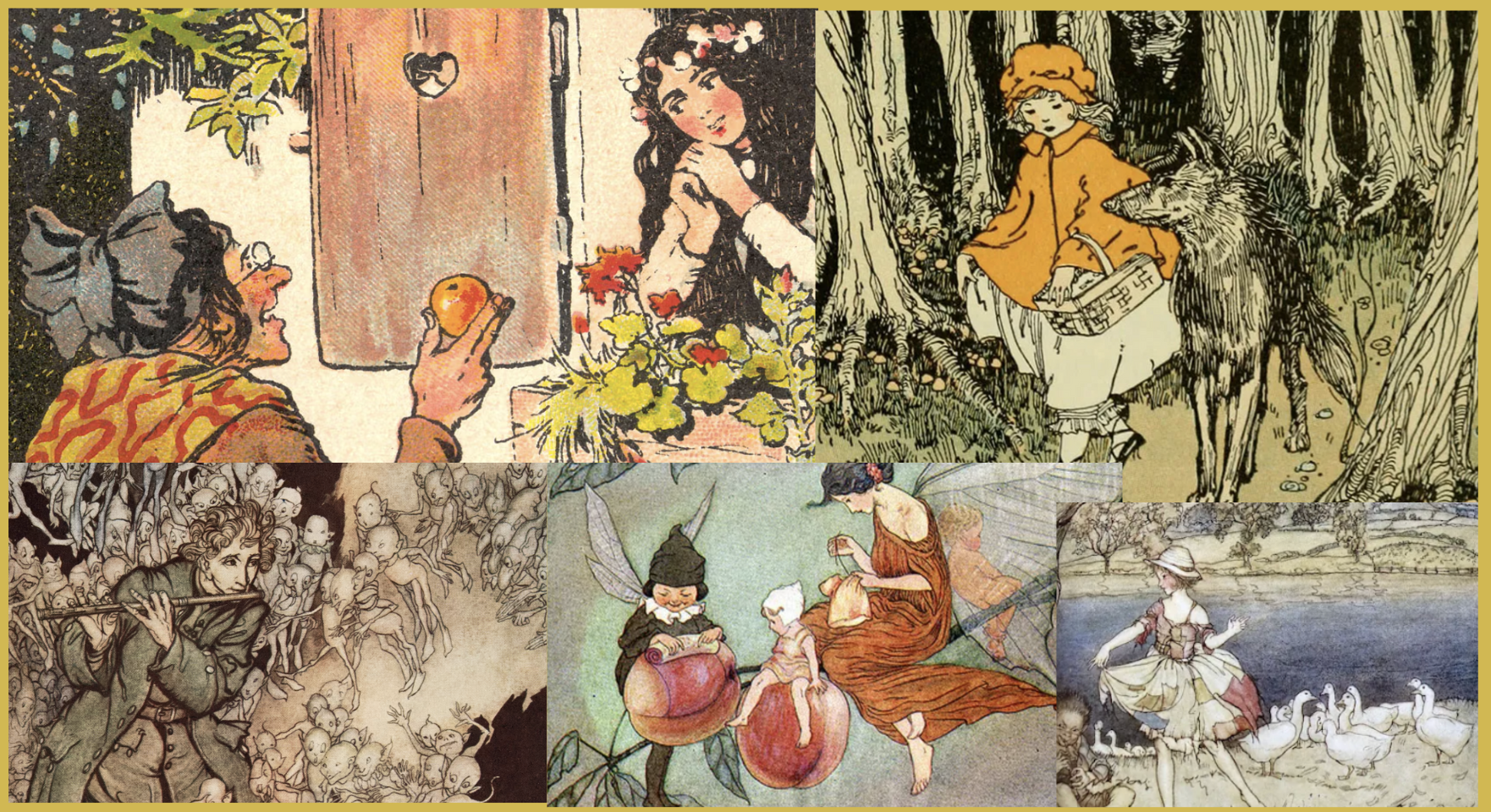
“Stories make ideas stick. Designers use storytelling to build empathy, shape experience, and give form to abstract concepts.”
— Ellen Lupton, Design Is Storytelling
Designers use visual tools to build “speculative artifacts” objects, interfaces, or ads from fictional worlds that feel real enough to touch. These visuals make imaginary futures believable, allowing people to emotionally connect with ideas that don’t exist yet.
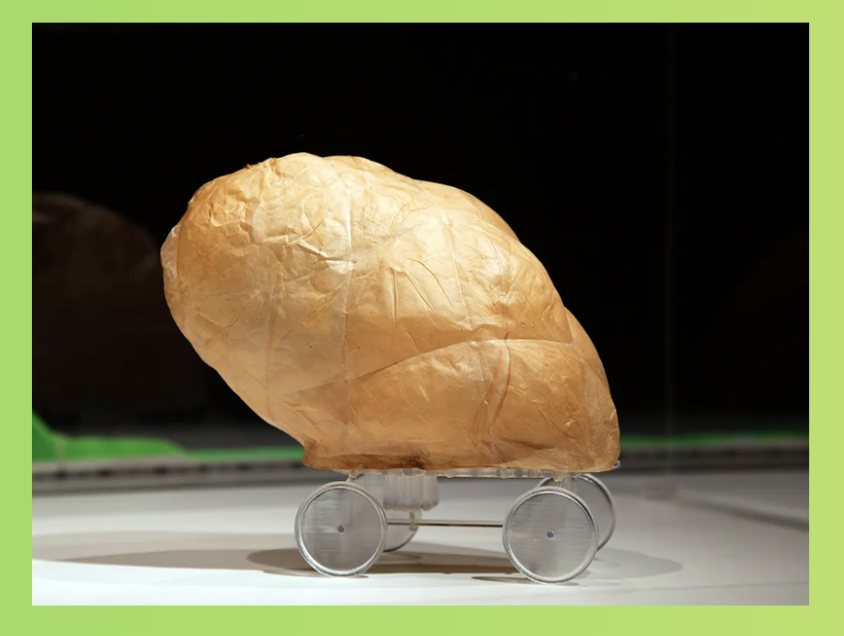
One famous example outside Lupton’s book is Dunne & Raby’s “United Micro Kingdoms.” They designed four fictional societies in the UK, each with its own technology, ideology, and aesthetic. Every detail the materials, colors, and branding helps us understand the story of that world.
Another is Corning’s “A Day Made of Glass” video, which envisions a transparent, hyper-connected home. It’s sleek, futuristic, and almost too perfect which is exactly the point. It gets viewers excited and uneasy at the same time.
That’s the conflict inside design fiction the tension between innovation and consequence. It pushes us to ask: If we can build it, should we?
Designing with Imagination and Intention
Every story needs a resolution a moment to reflect. In design, that means asking what we’ve learned from imagining all these futures.
Lupton calls design fiction “prototyping the future,” and I love that phrase because it captures what makes visual design so powerful here. Designers don’t just illustrate possible worlds they shape how we see and feel about them. If this sounds fun, I recommend trying DnD this is a great example of creating and shaping a world.

Design fiction reminds me that visual design isn’t only about beauty or function it’s about creating experiences that tell stories, stories that shape how we think about technology, culture, and humanity.
In the end, design fiction isn’t just about the future it’s about the present moment, about how we choose to imagine and design what comes next. And like any great story, it leaves us wondering: what happens after this?
 Levy It All To Me