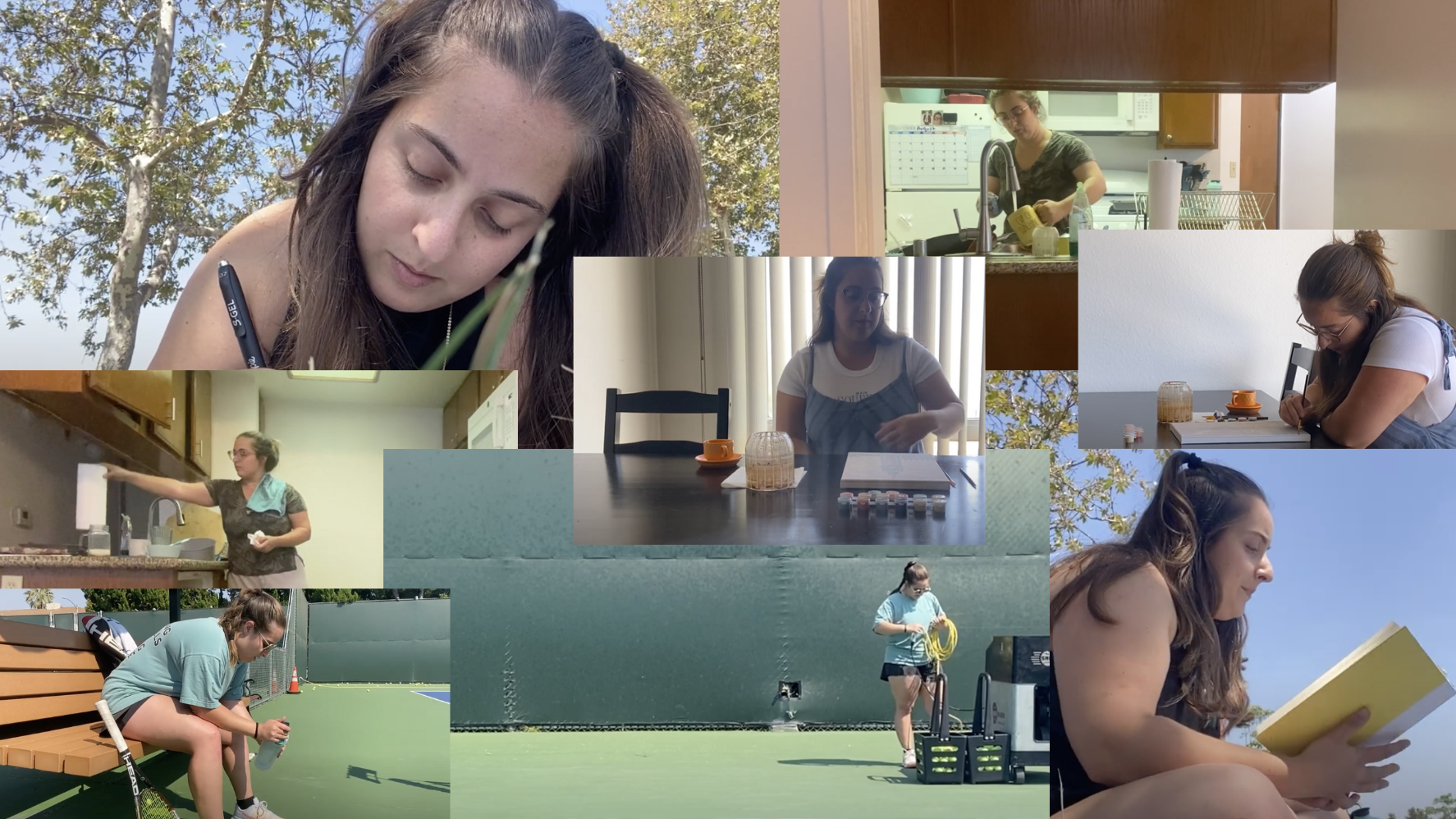
Over the past seven weeks, I have built my first YouTube channel dedicated to openly discussing stress and anxiety and helping educate people on effective strategies for managing their mental health. This channel highlights my journey in creating content that informs, supports, and empowers viewers to better understand and cope with these challenges.
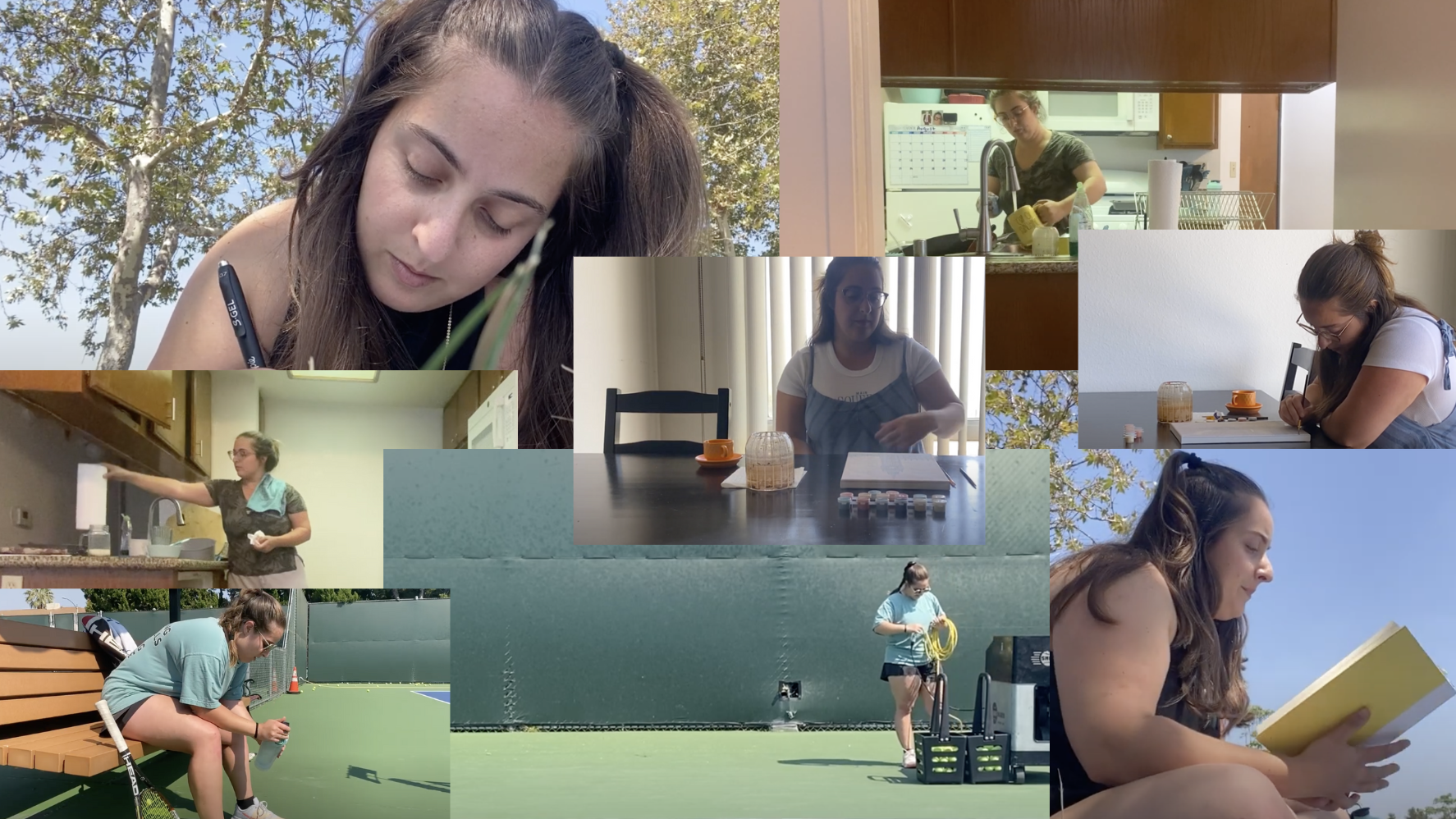
Why This is Important!
Learning about stress and anxiety management is incredibly important because these are experiences that touch nearly everyone’s life at some point, yet many people lack the tools to handle them effectively. Understanding how to recognize stress, implement coping strategies, and maintain mental well-being can prevent burnout, improve relationships, and enhance overall quality of life.
I feel passionate about spreading this knowledge because too often, people struggle silently (including myself), thinking they are alone in their feelings. By sharing practical insights and raising awareness, I hope to empower others to take control of their mental health, reduce stigma, and create a culture where emotional wellness is prioritized and accessible for everyone.
The Proposal
A YouTube channel proposal is a detailed plan that outlines the concept, purpose, and goals of a potential YouTube channel. It typically explains what the channel will focus on, the target audience, the type of content that will be produced, and how the channel will stand out from others. A proposal may also include a content schedule, branding ideas, and potential strategies for growth and engagement.
In the proposal below, I include a brief overview, research, my overall decided goals, my intended target audience and a ideas for different concepts throughout the videos I plan of creating.
Creating a proposal is important because it helps clarify your vision and ensures that you have a structured plan before investing time and resources into the channel. It allows you to think critically about your content strategy, anticipate challenges, and communicate your ideas clearly and plan ahead. Essentially, it serves as both a roadmap for your channel’s success and a tool to make your vision tangible and actionable.
The Strategy
A social media strategy plan is a detailed roadmap that outlines how someone will use social media platforms to achieve specific goals. It typically includes the target audience, the types of content to be shared, the tone and style of communication, posting frequency, and metrics for measuring success. The plan may also highlight which platforms are most relevant for reaching your audience and how to engage with followers effectively.
Below you will see my strategy for using youtube, instagram and tiktok to not only post my videos but to reach and bring in a wider audience. I also set overall goals and gave myself real world people to base my vision off of.
Having a social media strategy is important because it ensures that your efforts are focused, consistent, and aligned with your broader goals. By clearly defining the target markets and overall approach, I can create content that resonates with the right people, build a stronger online presence, and maximize the impact of your time and resources. Without a strategy, social media efforts can become scattered or ineffective, making it harder to grow an engaged audience or achieve meaningful results.
The Project Planning
Project planning and scheduling tools, like using a website similar to Monday.com, are systems designed to organize tasks, timelines, and responsibilities across the duration of a project. This involves breaking a project into smaller tasks, assigning deadlines, and mapping out each week’s objectives to ensure progress is steady and manageable. These tools often include visual boards, calendars, and reminders that help track what needs to be done and who is responsible for each task.
If online sites don’t work for you, I also highly recommend a pen and notebook. as Much as the websites helped, being about to write down exactly what I needed to get done was so helpful. Its important to break things up into doable tasks to feel a sense of completion.
Having a structured project plan is important because it keeps work organized, reduces the risk of missing deadlines, and ensures that all team members are aligned on priorities. Scheduling out weeks in advance allows you to anticipate challenges, allocate resources efficiently, and maintain momentum, especially for complex projects with multiple moving parts. Overall, it transforms a potentially overwhelming project into a clear, actionable plan, making it easier to stay on track and achieve goals efficiently.
Pre-Production
Pre-production is the planning phase of any creative project, where all ideas are gathered, organized, and prepared before actual production begins. This stage involves brainstorming concepts, sketching out overheads and storyboards, and mapping out the overall structure of the project. It also includes planning the materials, equipment, and resources needed to bring the ideas to life.
Pre-production is crucial because it lays the foundation for a smooth and efficient production process. By getting all ideas out on the table and visualizing them through sketches and storyboards, you can identify potential challenges, refine your vision, and ensure that everyone involved understands the direction of the project. Proper pre-production saves time, reduces errors, and allows for a more focused and professional execution during the production phase.
Production
Production is the stage where all the planning from pre-production is transformed into actual content. This involves setting up lighting to ensure every scene is clear and visually appealing, framing shots correctly to match the story, and capturing enough coverage from different angles so nothing is missed. It’s also the time to record voiceovers, sound effects, or any other audio components that will bring the project to life. Every element gathered during this phase contributes to the overall cohesion and quality of the final product.
Production is about gathering all the raw material needed to assemble the project in post-production. It’s not just about filming or recording; it’s about capturing every piece of information, visual or auditory, that will allow the story to be told effectively. A strong production phase ensures that post-production can focus on creativity and refinement rather than fixing errors or filling in gaps, ultimately leading to a polished and cohesive final project.
Post-Production
Post-production is the stage where all the material gathered during production comes together to form the final project. This involves reviewing and organizing all the footage, selecting the best takes, and arranging them in a coherent sequence. During this phase, voiceovers are added, background music or sound effects are incorporated, and any necessary color correction or visual adjustments are made to enhance the overall quality.
The editing process is crucial because it shapes how the story is ultimately experienced by the audience. Thoughtful editing ensures that pacing, transitions, and audio-visual elements work together seamlessly, creating a professional and engaging final product. Every decision in post-production from trimming clips to adjusting audio levels affects how effectively the message is conveyed and how polished the project feels.
Post-production also includes final touches like creating a thumbnail, captions, or graphics that help the content stand out and attract viewers. These elements may seem small, but they play a significant role in the project’s visibility and audience engagement.
Final Videos
Conclusion
In conclusion, each phase of a creative project pre-production, production, and post-production plays a vital role in bringing an idea to life. Pre-production lays the groundwork by organizing ideas, storyboards, and materials, ensuring a clear plan is in place. Production captures all the necessary visual and audio elements with precision, setting the stage for a high-quality final product. Post-production then brings everything together, refining the footage, adding audio and music, and creating final elements like thumbnails to make the project complete and engaging.
By carefully executing each stage, the entire process becomes more efficient, organized, and professional. Taking the time to plan, capture, and refine ensures that the original vision is fully realized and effectively communicated to the audience.
Ultimately, understanding and valuing each stage not only improves the quality of the work but also strengthens skills in organization, storytelling, and creative problem-solving.
 Levy It All To Me