
The Importance of Alone Time for Mental Health
In a world that never seems to slow down, the idea of carving out time to be alone can feel almost radical, it is outside the norm of everyday life. We live in a culture that often celebrates busyness, socializing, and constant productivity. If your schedule isn’t packed, or if you choose to stay in rather than go out, society sometimes interprets that as being lazy, antisocial and even lonely. But here’s the truth: alone time is not just valuable, it’s essential for our mental health. Learning to embrace solitude is one of the most powerful things someone can do to practice self-care. Advocating for it helps break down the stigma surrounding it.

I run into this issue a lot when having to cancel plans on friends because I am to overwhelmed. I have always blamed it on being introverted but a part of me knows that everyone needs that night to themselves.
Alone Time vs. Loneliness
It’s important to make a distinction between solitude and loneliness. Loneliness is that painful feeling of being disconnected from others, while alone time is a conscious choice to step away and recharge. This comes up a lot of time in relationships. Overtime both participants need to actively choose alone time to recharge and reset so that they can come back together with a clearer mind.

Solitude doesn’t mean you don’t value relationships it just means you also value the relationship you have with yourself. Alone time allows you to listen to your inner voice without the noise of external demands or expectations. It’s all about hitting the reset button
When you reframe solitude as intentional self-nourishment rather than isolation, you begin to see how much power it holds.
Why Alone Time Matters
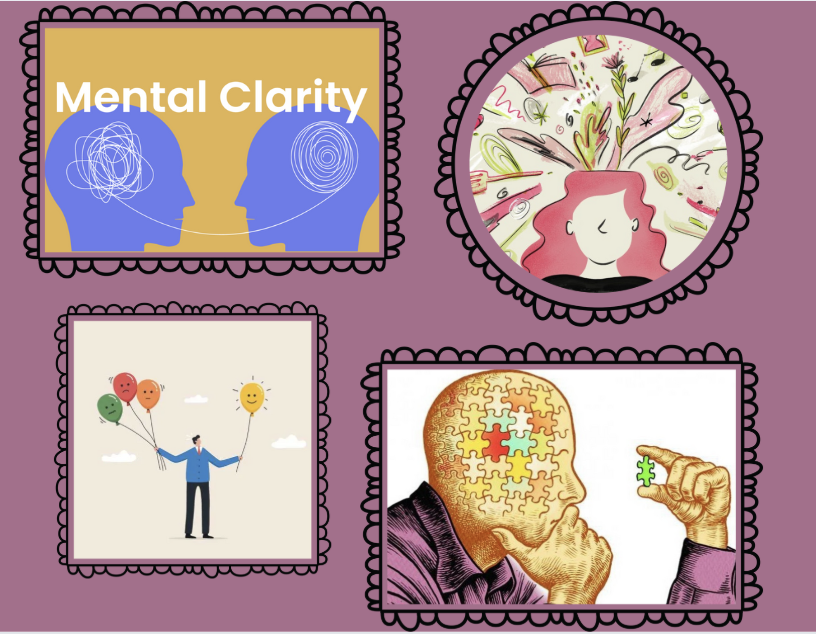
Self-Awareness and Reflection
Spending time alone creates the mental space to check in with yourself. What are you feeling? What do you need? These questions often go unanswered when we’re caught up in constant social interactions. Alone time allows us to step back, process your emotions, and gain clarity about what matters most to you. This reflection helps you grow as individual and align your choices with your own personal values.
Reduces Stress and Aides in Mental Clarity
A quiet environment can work wonders for stress relief. Even a short walk by yourself for 20 minutes or sitting without distractions can help lower cortisol levels, clear mental fog, and reset your nervous system. This is just as important as going to the gym.
Emotional Regulation
When you give yourself space, you’re better able to recognize and manage your emotions. Instead of reacting impulsively to stressors or conflicts, solitude provides a pause and a chance to process and regulate your feelings before responding. Over time, this builds emotional resilience and a sense of stability. If you overload a computer it will keep crashing, sometimes you just need to turn it off and let it sit for a second.
Creativity and Inspiration
History is filled with writers, artists, and thinkers who sought solitude to spark their creativity. When you’re alone, your mind is free to wander, explore, and connect ideas. Whether you journal, paint, or simply daydream, solitude is the backbone for creativity to flourish.
Advocating Through Social Media
This week, I decided to use platforms like YouTube and TikTok to spread more awareness about the benefits of alone time. These spaces are often filled with messages about hustle, constant activity, and comparison. I wanted to create content that pushes back against that narrative. By sharing personal reflections and practical tips, I hope to remind people that solitude is not something to be ashamed of it’s something to be celebrated. If even one person pauses to consider how alone time might improve their mental health, that’s a step toward changing the way we all view self-care.
Overcoming the Guilt of Doing “Nothing”
One of the biggest barriers to embracing alone time is guilt. We often equate productivity with worth, which makes sitting quietly with ourselves feel like wasted time. But alone time is not “nothing.” It’s an investment in your mental health. By resting, reflecting, or simply enjoying your own company, you’re replenishing the energy needed to show up better in every other area of your life.
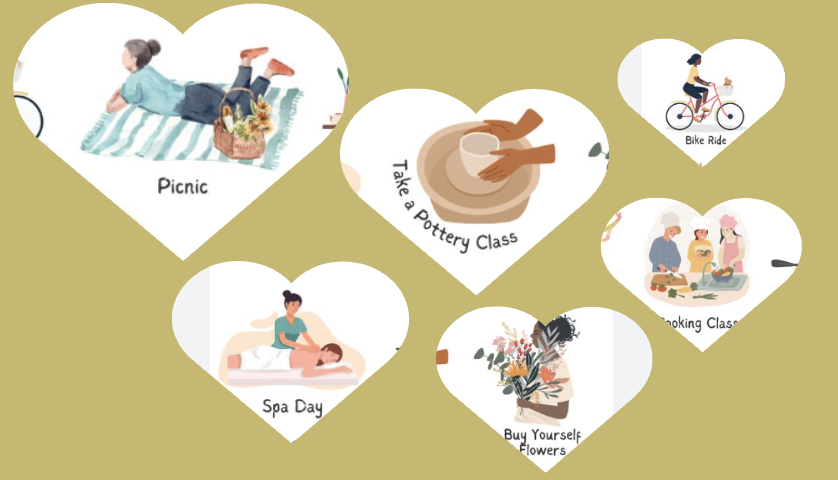
Advocating for Alone Time
Because our culture often misunderstands solitude, it’s important to advocate for it both for yourself and for others. This might look like:
- Setting boundaries with friends, family, or coworkers to protect your downtime
- Speaking openly about how alone time benefits your well-being.
- Encouraging others to view solitude not as avoidance, but as self-care.
- Open the conversation with people you care about so that they feel like they can ask for that time as well
The more we normalize taking time for ourselves, the less guilt and stigma will surround it.
Spending time alone is not selfish it’s necessary. It allows us to reset, recharge, and reconnect with who we are. When we advocate for the value of solitude, we’re not just protecting our own mental health; we’re also creating a culture that respects balance, boundaries, and the importance of caring for ourselves.

So the next time you choose a quiet evening at home over another social outing, remind yourself: you’re not doing nothing. You’re investing in yourself.
 Levy It All To Me