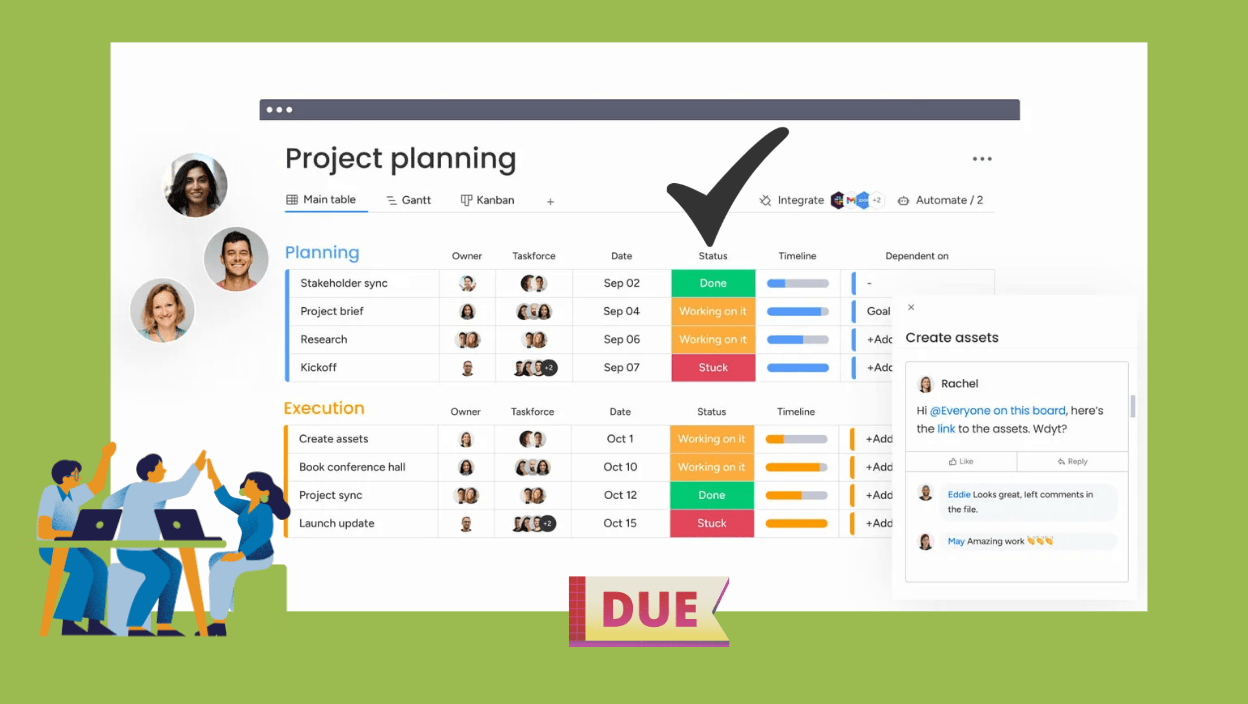
What is Project Planning?
Project planning is the process of defining the overall goals, timeline, tasks, resources and strategy for executing a project from start to finish.
It outlines what needs to be done, when and by whom to achieve the project’s goals. Anyone involved in the project, from the project manager to team members, can reference the project plan at any stage of the project to better understand their roles and responsibilities. Common elements of a project plan include tasks, resources, timelines and responsibilities.
Project planning is all about staying organized with doable tasks and keeping a group of people flowing.
But do you need to project manage for just yourself?
The answer is yes and here’s why.
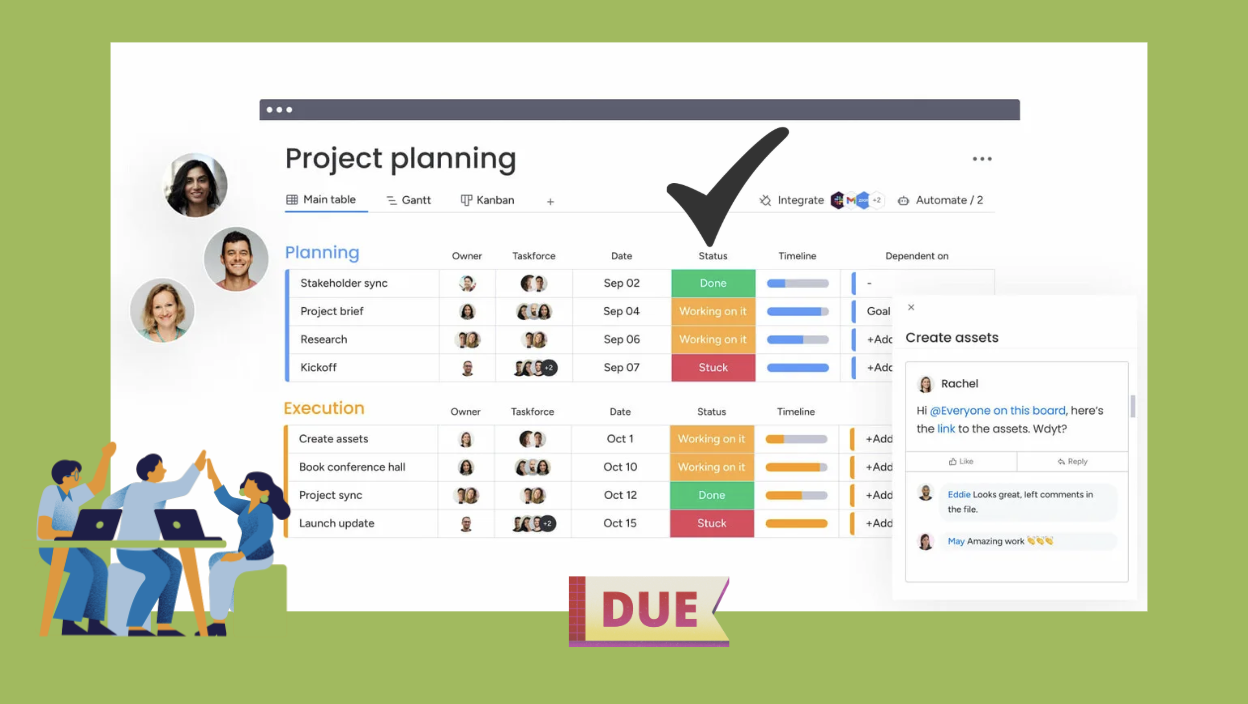
A project plan helps you define what you’re trying to accomplish whether that be with a group or by yourself. Knowing the end goal helps you take the necessary steps to get there.
- Efficient Time Management
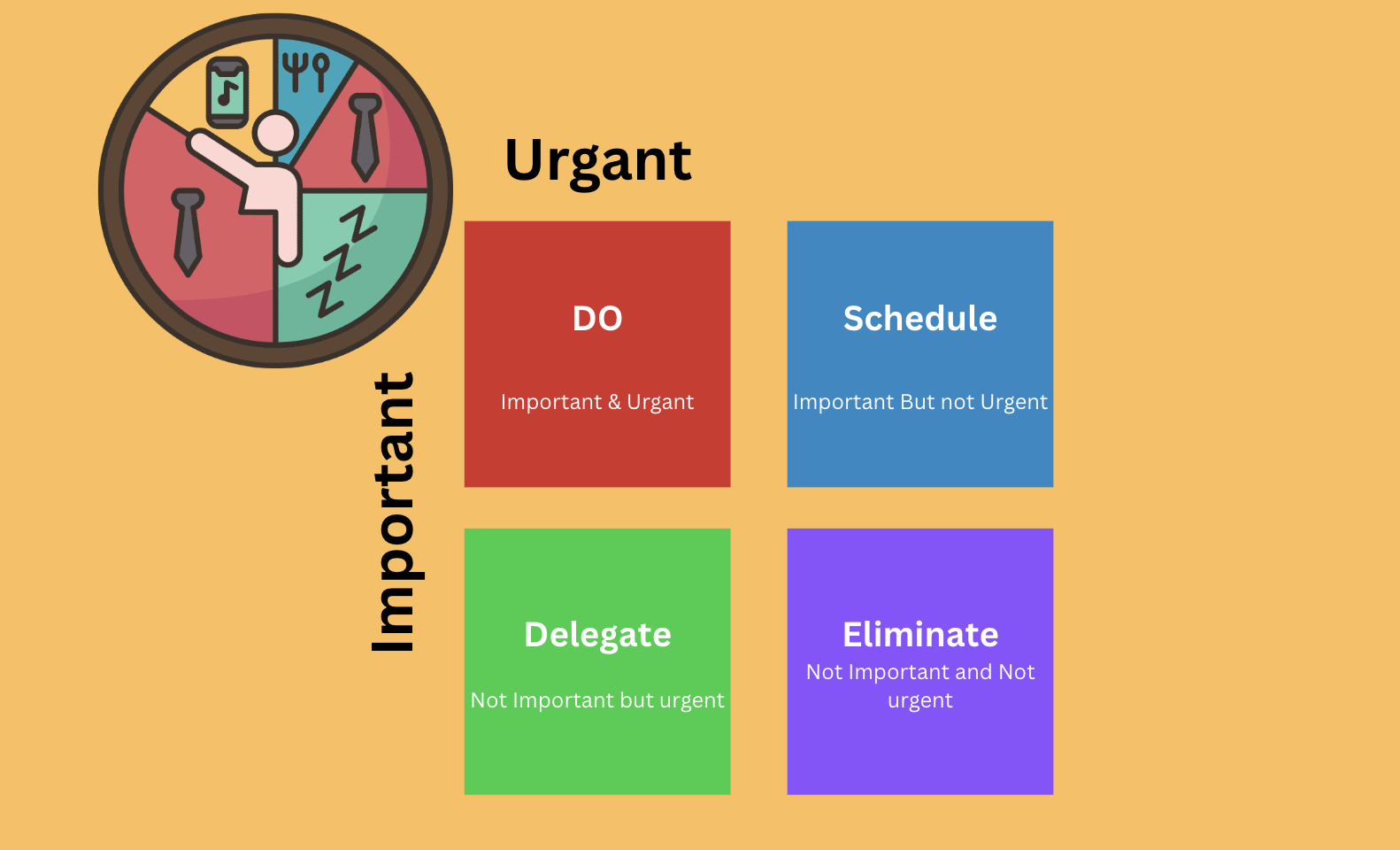
Planning helps you break tasks into manageable chunks with timelines. This gives you the ability to work within your skill set to get all the tasks done on time and efficiently. This also helps you avoid procrastination, making manageable tasks and giving sufficient time for it will help productivity.
- Resource and Budget Awareness
At the beginning, you’ll identify what tools, materials, or software you might need in advance. This is a great way to compartmentalize all the things needed in one area. This reduces the odds of not having something when needed for a task.
- Risk Mitigation
A plan helps anticipate potential problems and gives you time to prepare for them. Even when you are planning out the steps you might think of something you might have overlooked later down the line.
- Accountability and Motivation

A project plan acts as a personal commitment, giving you a timeline and structure to continuously move along. Also checking off milestones provides motivation and a sense of progress that just going with the flow doesn’t offer. A lot of people find success in this structured process.
How to Get Started? Project Planning for One!
Step 1: Define the Project Goal
Ask yourself what you are trying to accomplish? Whether that be creating youtube videos, starting a business, or maybe building an app from scratch.
Be really specific, like ‘my goal is to create a youtube platform using both long form and youtube shorts to talk about stress, stress management and other tools to help deal with the daily struggles of anxiety and stress.’
Make sure it’s very clear and measurable. Set the Goals. You can bounce off that by stating that by the end of summer, you will have enough videos to start posting frequently and start promoting on other platforms as well.
Step 2: Break It Down Into Tasks
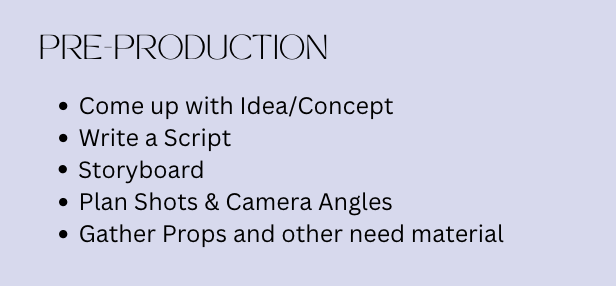
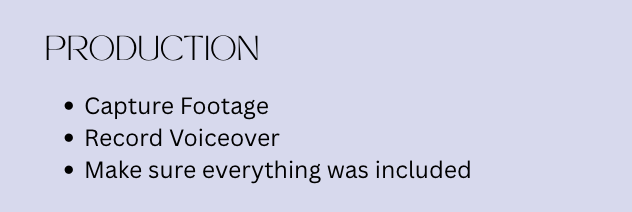
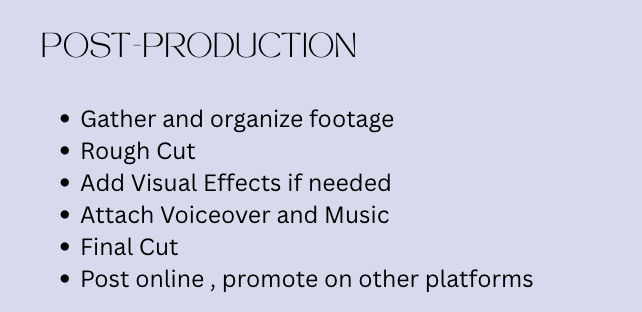
List out all the major steps required to complete the project. The smaller the tasks the more manageable it will be. I know it sounds funny but if you make small doable tasks you will feel more motivated to do more work because you are getting the positive reinforcement of checking off a task well done.
Step 3: Set a Timeline
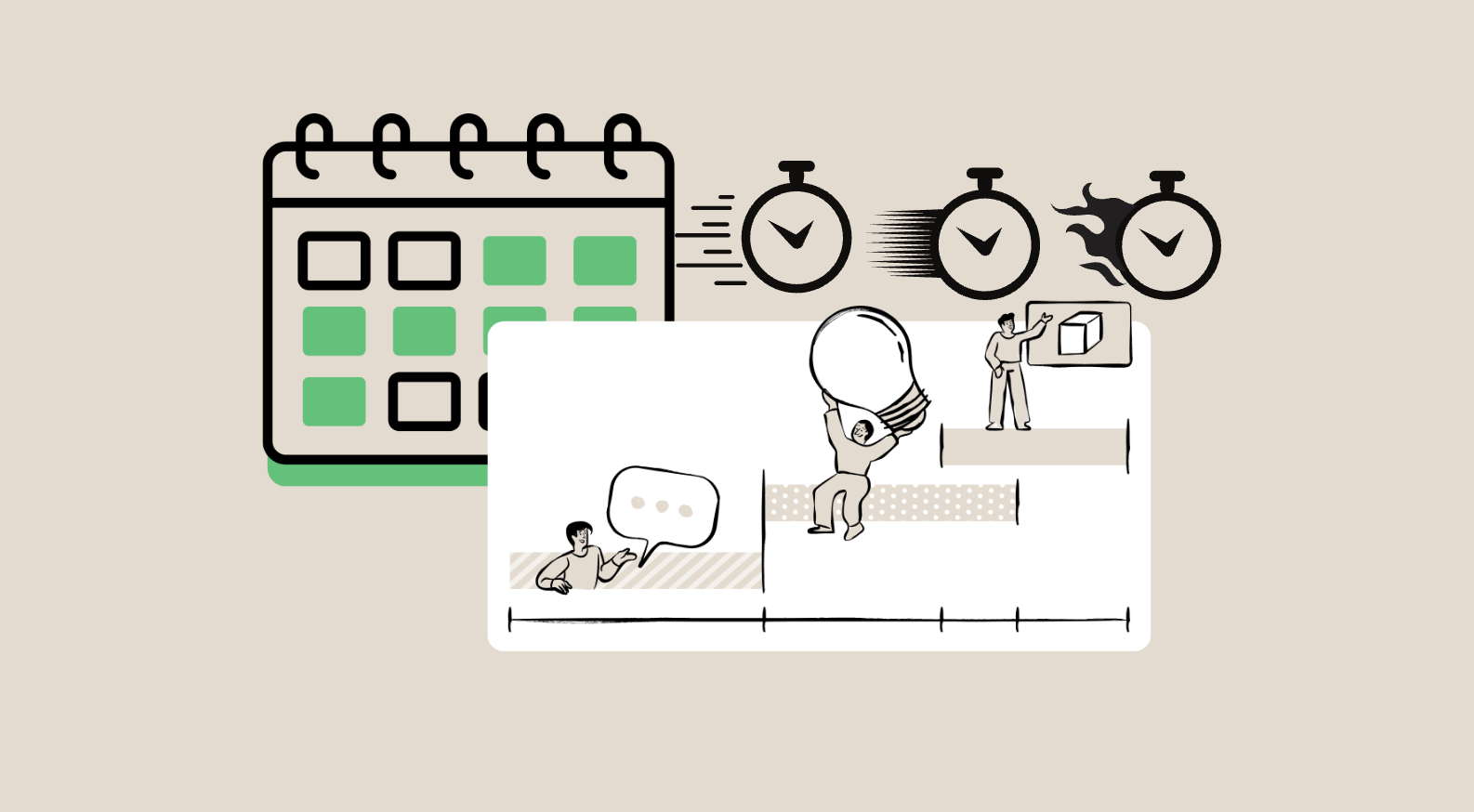
Assign deadlines or time blocks to each task. Only you know how you work so set your deadlines to your own personal style. You can also use digital tools like Google Calendar, Setting Alarms, or even hand writing the due dates.
Step 4: Track Resources & Tools
Now it is time to list out what you need from equipment, apps, subscriptions, space, and other tools. Make a note of what you already have and what you need to obtain.
Step 5: Choose a Tracking System
Now that you know all that information it’s time to pick a method to organize and track your progress. Some suggestions are Trello, Notion, Todoist, and my personal favorite Monday.com. As much as having a digital interface I also highly recommend using a simple notebook.
Step 6: Start with the First Task
Now it’s time to take all of those actionable tasks and lay them out so that you can start to work.
Set aside time each week to review your progress and make adjustments, this helps you stay flexible and focused without getting overwhelmed. Celebrate milestones, even the small ones, to keep your motivation high and maintain momentum.
Consider building in some downtime or buffer periods to avoid burnout, especially if you’re juggling other responsibilities.
Most importantly, don’t strive for perfection; aim for progress. A project plan should work for you, not stress you out, so keep it simple, realistic, and aligned with your personal pace and energy.
Good Luck!
 Levy It All To Me