Colors bring to life everything around us, making the world more exciting and vibrant. But color is so much more than that. It evokes emotions we have hidden away and memories we might have forgotten about.
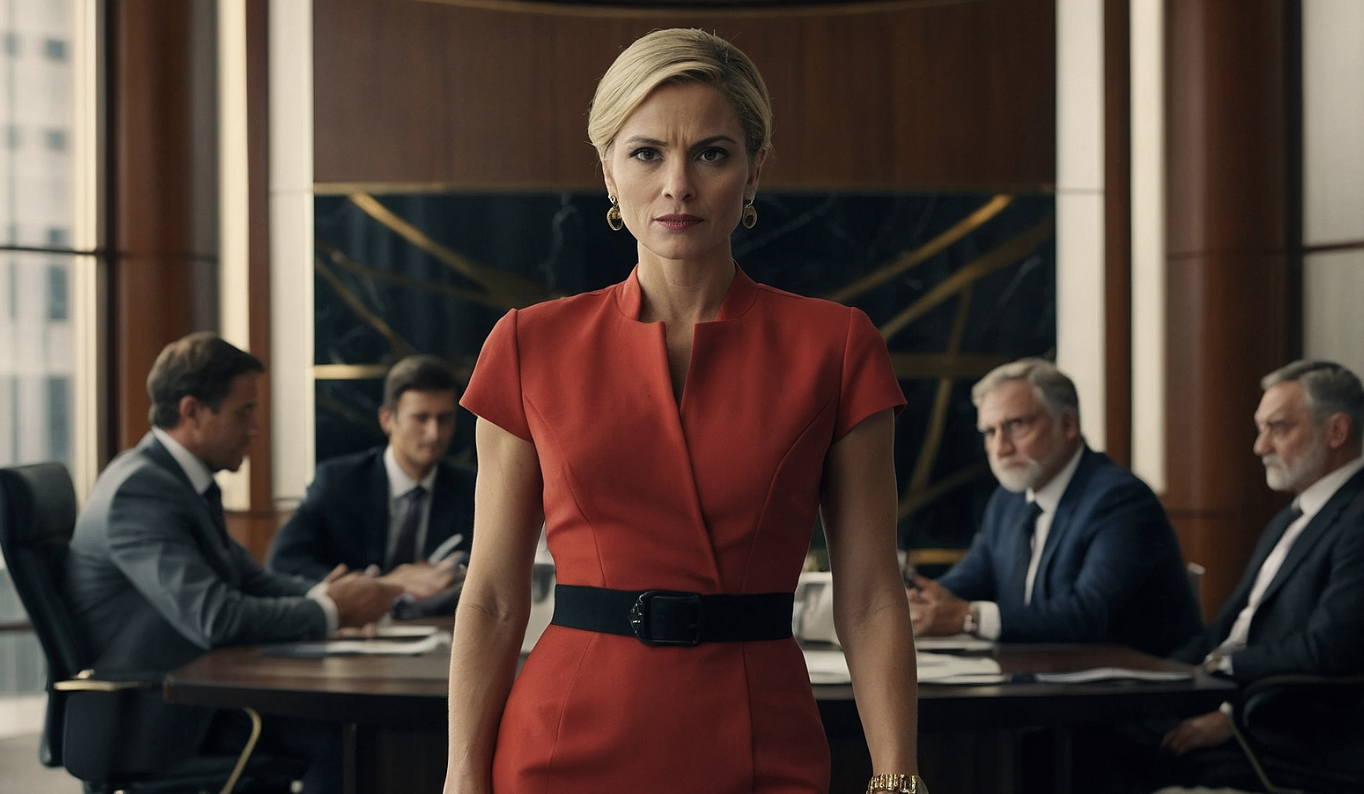
Colors are associated with every aspect of a person’s life because we are surrounded by it. We choses colors every single day. When we are getting dressed we have to decide what colors we are going to project to the world. If I walk into work with black and red on, that might portray feelings of annoyance and anger.
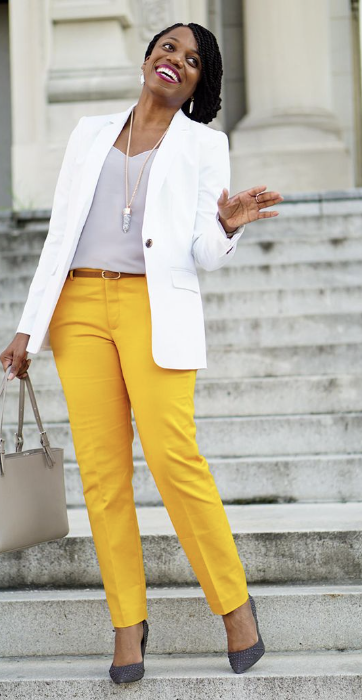
But if I wear Yellow that might show the people around me that I am open to them and give them a comfortability that they might not have felt otherwise.
Below are two women you can run into in an office, both dressed for work but one feels less approachable than the other.
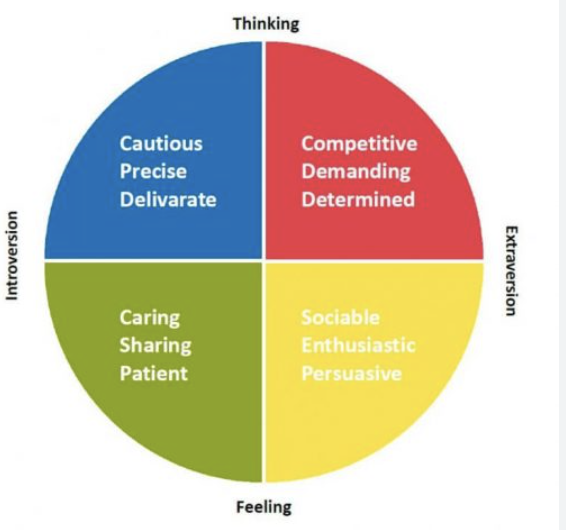
There will always be an underlying factor with color and psychology. One of my favorite psychologists, Carl Jung is well known for pioneering color psychology. He broke down the meanings of colors through art and used it as a tool for psychotherapy. He even came up with a color theory. Jung believed that people had different ways of processing information and that these functions can be either introverted or extroverted. He used color to represent and help understand where a person fits into all of it.
The Four Color Energies:
Fiery Red: Represents a focus on results, strategy, and action.
Sunshine Yellow: Highlights social skills, enthusiasm, and communication.
Earth Green: Emphasizes people-orientedness, empathy, and collaboration.
Cool Blue: Focuses on organization, structure, and planning.
Art Therapy
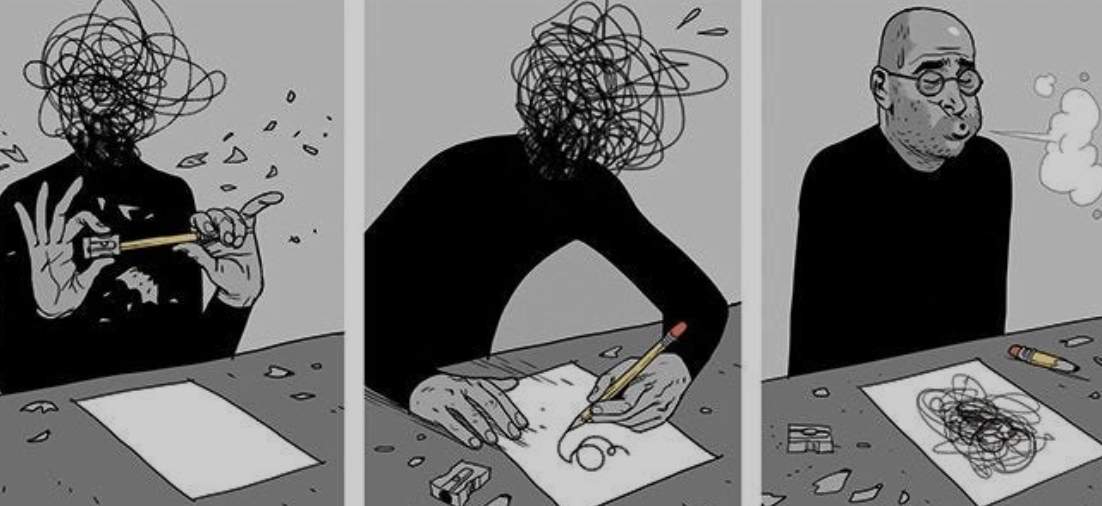
In modern times this research has made art therapy a field of practice that helps people deal with trauma and illness through creative work. Color can be used effectively in art therapy as part of a process of expressing troublesome thoughts and feelings in a visual way that can help heal the body and mind. Clearly Colors are a very influential part of human existence.
MOVIES
Movies use color psychology theories all the time. They dress specific characters in very specific colors and light them in cooler or warmer light to get the audience to understand the character or story on a deeper level. If the character is following in love maybe she starts wearing pink or red more. Red is a stimulating color that gets your heart pumping and raises your pulse. It is a powerful color that can evoke a strong physical response. Or The character could have just won the big game with yellow fans cheering around him. Yellow is energizing and radiates positivity. It plays to our emotions and lifts confidence levels. The loser bench warmer finally gets put into the game and scores the winning basket.
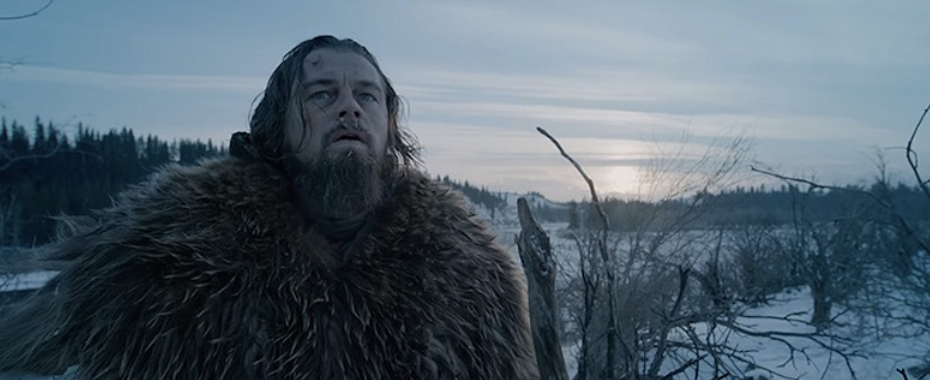
They tinted this movie in a cooler tone to reflect the icy nature and the feeling of being alone. He’s isolated feeling collapsed and sad.
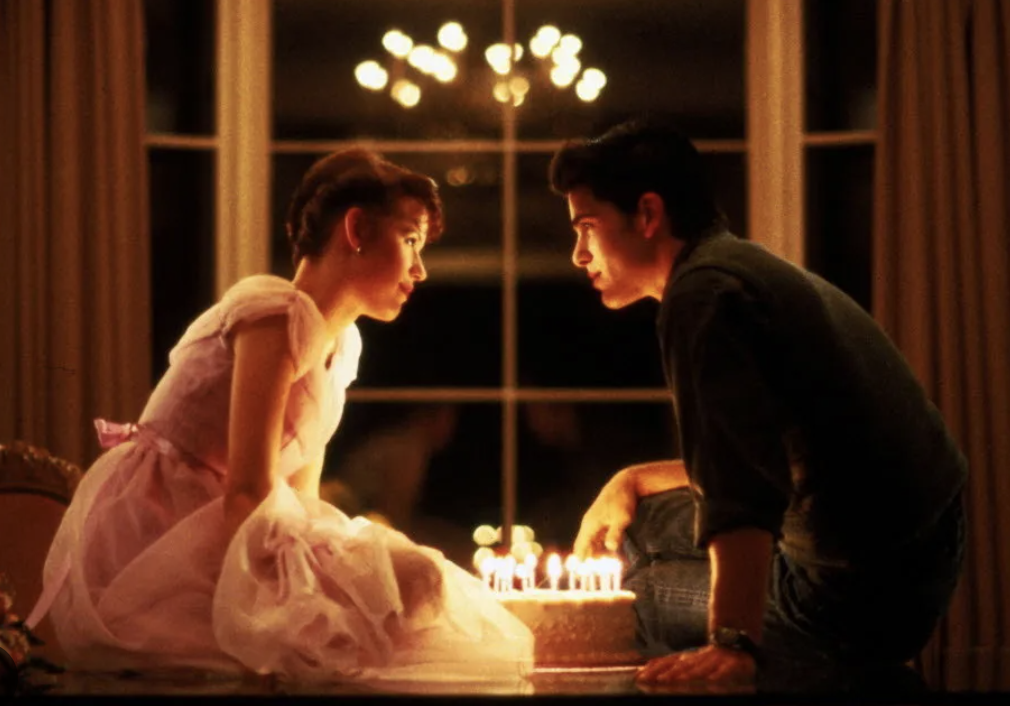
This candle light makes the scene warm, inviting and full of passionate feelings of love and lust and innocences.
Businesses/Marketing
Businesses have even started using color psychology in marketing and advertising plans.
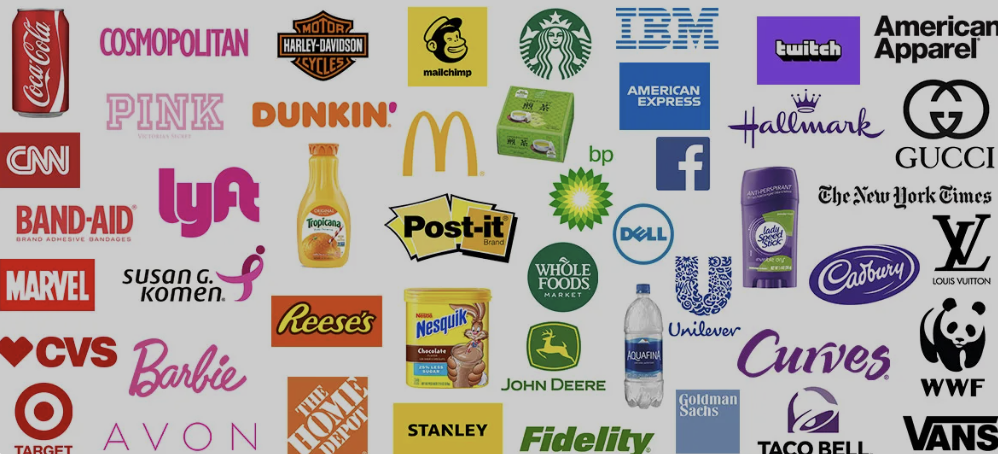
Brand identity: Companies spend a very long time carefully curating the perfect color palette that fits into the brands personality. This is very important to hitting the brands target audience. These colors become a recognizable feature for the company.
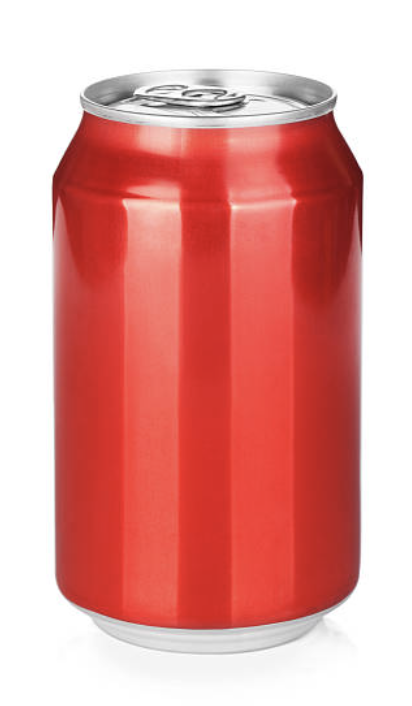
If you see a red soda you can probably automatically go to coca-cola.
When you see a yellow ‘M,’ your mind might think about those lovely gold yellow arches of McDonalds. These brands use color to evoke emotions and help define what the company is all about. Yellow is more associated with happiness and warmth. McDonalds brand is all about being happy and coming in for a nice homie hot meal whenever you’d like.

The world is creaming for us to look up and notice all the wonderful colors are us and see the world through our emotions. We are not born with a favorite color, and that color can change throughout your life. Now knowing a little bit more about the psychology of color, you might understand why your favorite color changes and what emotions you can associating with it.
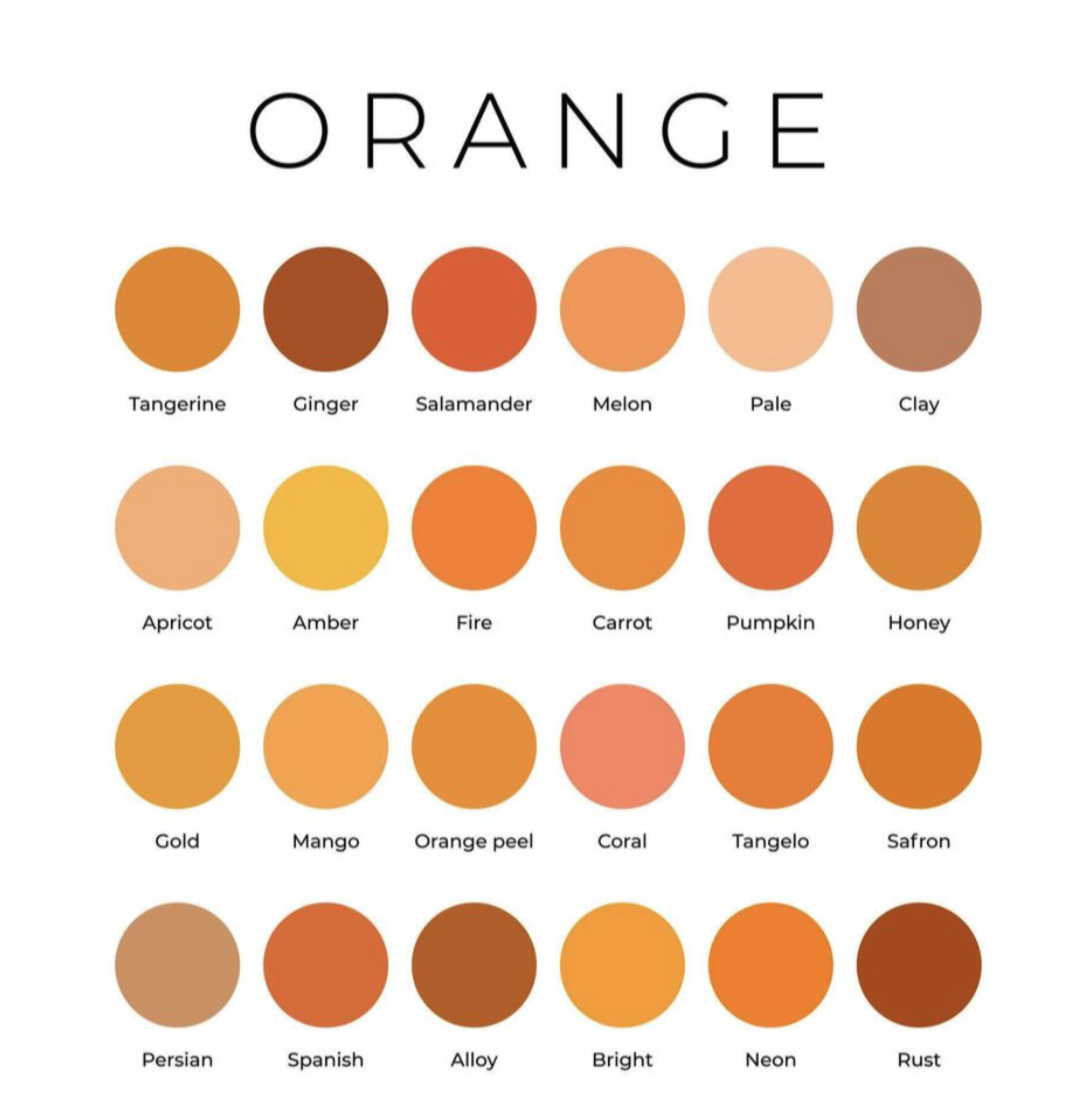
My Favorite color is orange! How about you?
 Levy It All To Me